Best Pool Supplies Distributor in China

NEWS

Home > Tips

Polyamine

What is Polyamine used for in water treatment?

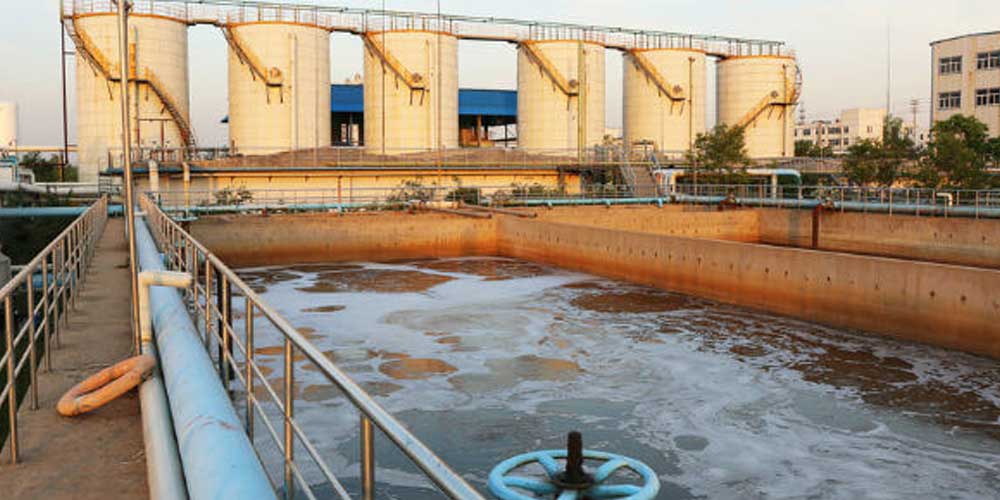
In a groundbreaking development in the field of water treatment, Polyamine has emerged as a powerful and sustainable solution to address the growing concerns over water quality worldwide. This versatile chemical compound is garnering attention for its ability to effectively remove contaminants from water sources, paving the way for cleaner and safer drinking water. Polyamine, a type of organic compound characterized by multiple amino groups, has proven to be a game-changer in water treatment processes. Its unique chemical properties make it highly effective in coagulation, flocculation, and sedimentation – key stages in the removal of impurities from water. Unlike traditional water treatment chemicals, polyamine boasts a low environmental impact, making
PAM

What does PAM flocculant do to water?

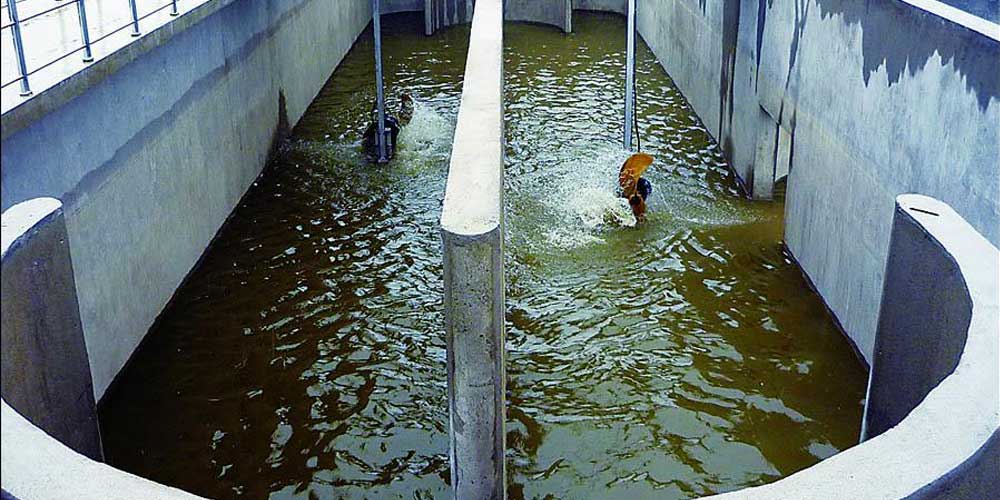
Polyacrylamide (PAM) flocculant is a chemical substance widely used in water treatment processes to improve water quality and enhance the efficiency of various treatment methods. This versatile polymer has gained popularity for its ability to remove impurities and suspended particles from water, making it a crucial component in addressing water pollution and ensuring safe and clean water for various applications. 1. Flocculation Mechanism: PAM is known for its exceptional flocculation properties. In water treatment, flocculation refers to the process of bringing together colloidal particles to form larger, easily settleable flocs. PAM achieves this by neutralizing the negative charges on particles, promoting aggregation, and forming larger, heavier particles that can be

pool Flocculant

How do you use alum salt in a swimming pool?

Using alum (aluminum sulfate) in swimming pools is a common practice to address cloudiness caused by high levels of suspended particles or colloids. Alum works by forming larger particles from the smaller ones, making it easier for the pool filter to trap and remove them. Here’s a comprehensive guide on how to use alum in swimming pools: 1. Test Water Quality: Before adding alum to your swimming pool, it’s essential to test the water quality using a reliable pool water testing kit. Check the pH, alkalinity, and chlorine levels to ensure they are within the recommended ranges. 2. Determine Alum Dosage: The dosage of alum depends on the size of

pool chemical

How do you tell if a pool is properly chlorinated?

Ensuring that a pool is properly chlorinated is crucial for maintaining water quality and preventing the growth of bacteria and algae. Here are some ways to determine if a pool is properly chlorinated: 1. Free Chlorine Levels:  Test the free chlorine levels regularly using a pool water testing kit. The recommended free chlorine level for pools is typically between 1.0 and 3.0 parts per million (ppm). This range helps to kill bacteria and other contaminants in the water. 2. pH Levels: Check the pH levels of the pool water. The ideal pH range is between 7.2 and 7.8. If the pH is too high or too low, it can affect

algaecide for pool

Algaecide for Pool

Algaecide is a chemical treatment used in pools to prevent or control the growth of algae. Algae can cause discoloration, slippery surfaces, and other issues in swimming pools. There are different types of algaecides available, and it’s important to choose the right one for your specific needs. Here are some common types of algaecides for pools: 1. Quaternary Ammonium Compounds (Quats): These are the most common type of algaecides. They work by disrupting the cell membranes of algae, preventing their growth. Quats are effective against a broad spectrum of algae types. 2. Polyquat Algaecides: Polyquat algaecides are a type of quat, but they contain polymers that provide a longer-lasting effect.

Pool cleaning

What services are included in a monthly swimming pool maintenance?

The specific services included in a monthly swimming pool maintenance package can vary depending on the service provider and the needs of the pool. However, here are some common services that are typically included in a monthly swimming pool maintenance plan: Water Testing:  Regular testing of the pool water to ensure proper chemical balance, including pH levels, chlorine or other sanitizers, alkalinity, and calcium hardness. Chemical Balancing: Adding necessary chemicals to balance and maintain water chemistry within recommended parameters ( TCCA, SDIC, cyanuric acid, bleaching powder, etc. ). Skimming and Surface Cleaning: Removing leaves, debris, and other floating items from the surface of the water using a skimmer net. Vacuuming: Cleaning