
Best Pool Supplies Distributor in China

NEWS

Home > Tips

Pool chemicals

Why add Aluminum Sulfate to pool?

In the realm of pool maintenance, ensuring crystal-clear water is paramount for a safe and enjoyable swimming experience. One key player in achieving optimal pool water quality is Aluminum Sulfate, a chemical compound that has gained popularity for its remarkable water treatment properties. Aluminum sulfate, commonly known as alum, is a versatile coagulant and flocculant. Its primary function in pool maintenance is to clarify water by eliminating impurities and enhancing filtration. When added to the pool, aluminum sulfate undergoes a chemical reaction that forms a gelatinous precipitate. This substance traps fine particles, such as dirt and algae, making it easier for the pool’s filtration system to capture and remove them.
Antifoam-agent

What is Antifoam agent?

In the dynamic landscape of industrial production, a crucial player has emerged – the Antifoam agent. This innovative solution is transforming the way industries approach challenges related to foam formation in various processes. As an integral component in sectors such as pharmaceuticals, food and beverage, and chemical manufacturing, Antifoam agents are gaining widespread recognition for their role in enhancing efficiency and productivity. Antifoam agents, also known as defoamers, are chemical substances designed to control or eliminate foam formation during manufacturing processes. Foam can be a significant hindrance in industrial operations, leading to decreased production efficiency, equipment malfunctions, and product quality issues. The application of Antifoam agents addresses these concerns by

Anhydrous-Calcium-Chloride

Why is anhydrous calcium chloride used as a drying agent?

Anhydrous calcium chloride, a compound of calcium and chlorine, distinguishes itself as a desiccant par excellence due to its hygroscopic nature. This property, characterized by an avid affinity for water molecules, enables the compound to effectively absorb and trap moisture, making it an ideal choice for myriad applications. The petrochemical sector, rife with moisture-sensitive processes, turns to anhydrous calcium chloride to maintain the integrity of its products. Whether in gas dehydration units or the extraction of natural gas, this drying agent proves instrumental in averting corrosion and ensuring the longevity of equipment. In pharmaceutical and food manufacturing, where stringent quality control is paramount, anhydrous calcium chloride finds extensive use. Its

pool-chemical

What Chemicals are used in public swimming pools?

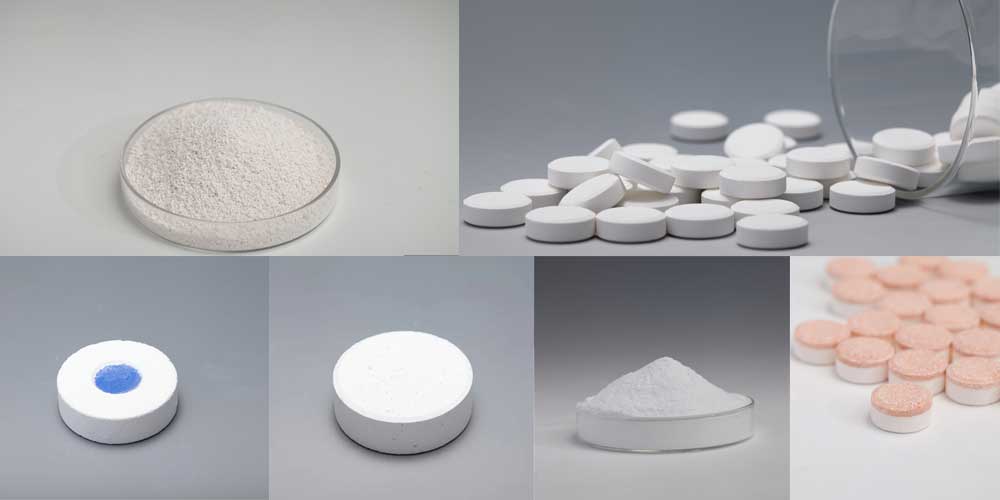
Most public swimming pools rely on a combination of chemicals to maintain water quality, eliminate harmful bacteria and create a comfortable swimming environment. The main chemicals used in pool maintenance include chlorine, pH adjusters, and algaecides. Chlorine (We can provide TCCA or SDIC), a widely recognized pool sanitizer, plays a pivotal role in killing bacteria, viruses, and other microorganisms that can thrive in water. Typically added in the form of chlorine gas, liquid chlorine, or solid tablets, this chemical helps prevent waterborne illnesses and keeps the pool safe for swimmers. However, maintaining the right chlorine levels is crucial, as excessive amounts can lead to skin and eye irritation. To ensure

pool chemicals--DISINFECTANTS

What chemicals do I need to set up a pool?

During the hot summer months, many people are ready to enjoy the refreshing experience of a backyard pool. However, before diving in, it’s crucial to ensure that your pool is properly set up and maintained with the right Pool Chemicals. In this comprehensive guide, we’ll outline the essential chemicals you need to create a pristine pool oasis. 1. Chlorine: Chlorine is a fundamental chemical for pool maintenance, serving as a powerful disinfectant. It eliminates bacteria, viruses, and algae, ensuring the water remains safe and clear. Available in various forms such as liquid, granules, or tablets, choosing the right type depends on your pool size and personal preference. 2. pH Adjusters:

CYA pool

What is the difference between stable bleaching powder and calcium hypochlorite?

Stable bleaching powder and calcium hypochlorite are both chemical compounds used as disinfectants and bleaching agents, but they are not exactly the same. Stable Bleaching Powder: Chemical Formula: The stable bleaching powder is usually a mixture of calcium hypochlorite (Ca(OCl)_2) along with calcium chloride (CaCl_2) and other substances. Form: It is a white powder with a strong chlorine odor. Stability: The term “stable” in its name indicates that it is more stable than other forms of bleaching powder, which tend to decompose more readily. Use: It is commonly used for water treatment, bleaching, and disinfection purposes. Calcium Hypochlorite: Chemical Formula: Calcium hypochlorite is a chemical compound with the formula Ca(OCl)_2.