Best Pool Supplies Distributor in China

NEWS

Home > Tips

Decoloring Agent water

The Role of Decoloring Agents in Textile Industry

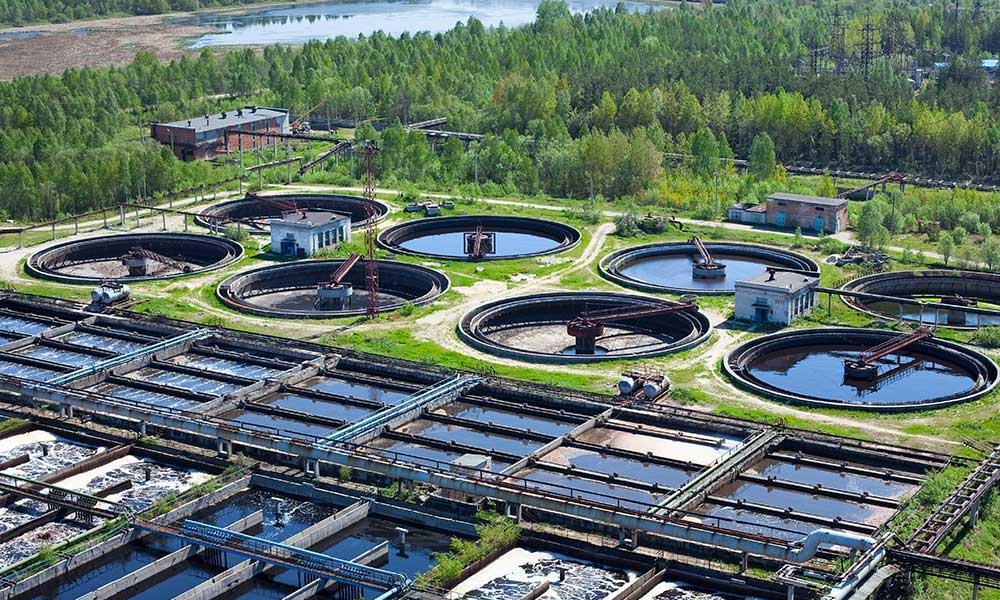
In a remarkable leap forward for the textile industry, the application of Decoloring Agents has emerged as a game-changer in the realm of water chemical manufacture. This innovative solution addresses long-standing challenges related to dye removal, pollution reduction, and sustainable practices. With a focus on environmental preservation and operational efficiency, textile manufacturers are adopting Decoloring Agents to reshape their processes. The Role of Decoloring Agents in Textile Industry Decoloring Agents are specialized chemical compounds designed to effectively remove dyes from wastewater and textiles, promoting cleaner water discharges and minimizing environmental impact. These agents exhibit exceptional dye adsorption properties, enabling them to bind with and neutralize dye molecules present in the
CYA use

Multifunctional application of cyanuric acid

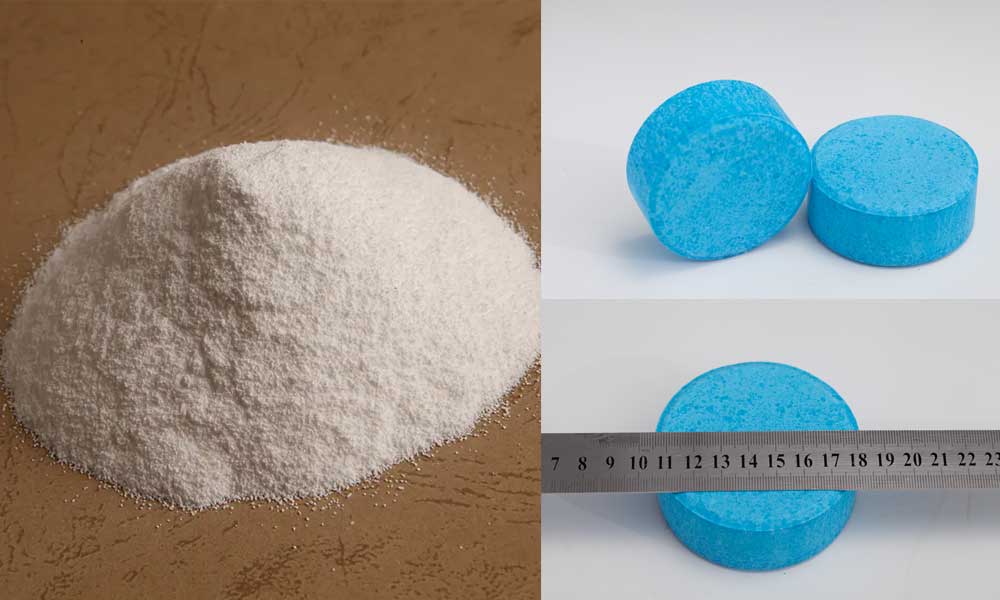
Cyanuric acid, a white crystalline powder with a distinct chemical structure, has gained significant attention due to its multifaceted applications across various industries. This compound, composed of carbon, nitrogen, and oxygen atoms, has demonstrated remarkable versatility and effectiveness, leading to its widespread adoption in diverse sectors. This article delves into the applications of cyanuric acid, highlighting its benefits while emphasizing the importance of sustainable practices in its usage. One of the most well-known applications of cyanuric acid is in swimming pool maintenance. This compound is utilized to stabilize chlorine in pool water, extending its effectiveness and reducing the need for frequent re-chlorination. Cyanuric acid forms a protective barrier around chlorine

SDIC-safe

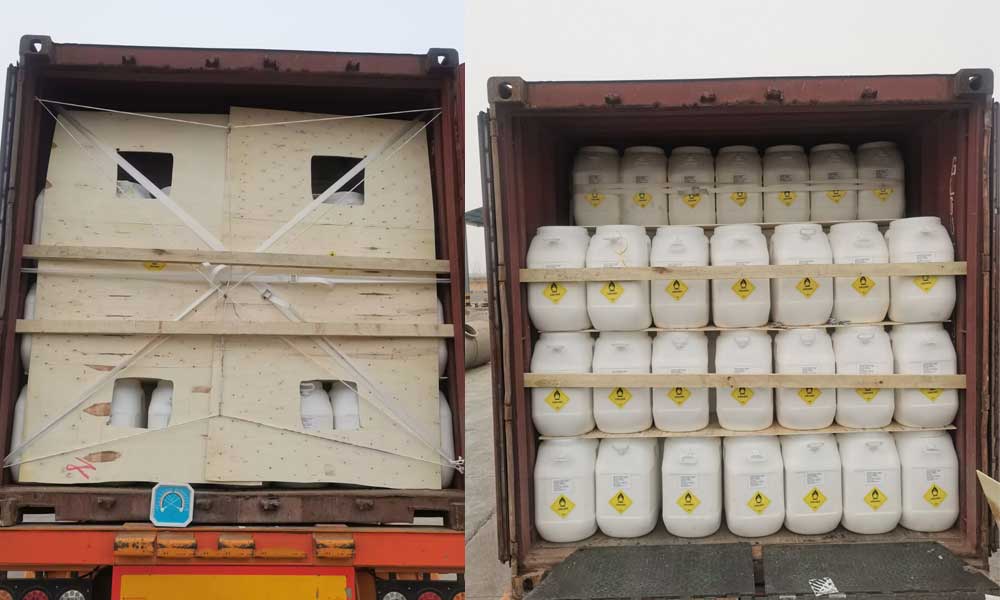
Safe Storage and Transportation of Sodium Dichloroisocyanurate: Ensuring Chemical Safety

Sodium Dichloroisocyanurate (SDIC), a potent chemical widely used in water treatment and disinfection processes, requires careful attention when it comes to storage and transportation to ensure the safety of both workers and the environment. SDIC plays a crucial role in maintaining clean and safe water systems, but mishandling can lead to hazardous situations. This article delves into the essential guidelines for the secure storage and transportation of SDIC. Importance of Proper Handling SDIC is commonly used in swimming pools, drinking water treatment plants, and other water systems due to its exceptional disinfection properties. It effectively eliminates bacteria, viruses, and other harmful microorganisms, contributing to public health and safety. However, its

PAC water treatment

Poly Aluminum Chloride: Revolutionizing Water Treatment

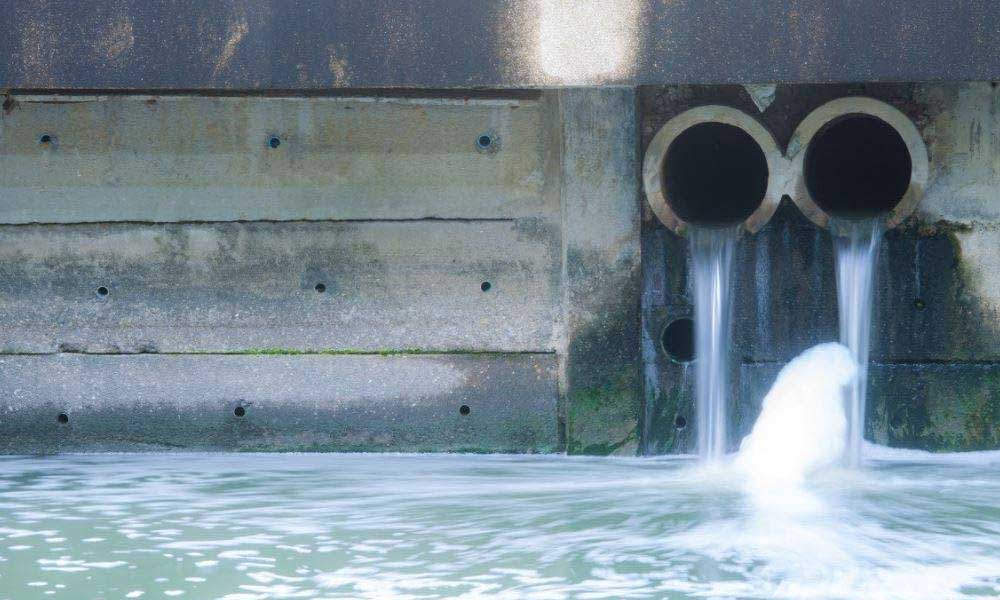
In a world grappling with escalating water pollution and scarcity, innovative solutions are crucial to ensure clean and safe water for all. One such solution that has been gaining significant attention isPoly Aluminum Chloride (PAC), a versatile chemical compound that is transforming the landscape of water treatment. Water, a finite resource, is under constant threat from various pollutants and contaminants. Industries, urban development, and agricultural activities have led to the release of harmful substances into water bodies, posing a grave risk to both the environment and human health. Conventional water treatment methods struggle to cope with the increasing complexity of these pollutants. This is where PAC steps in, offering a

Application of sodium fluorosilicate in textile industry

In recent times, the textile industry has witnessed a revolutionary shift with the incorporation of Sodium Fluorosilicate (Na2SiF6), a chemical compound that is transforming the way textiles are produced and treated. This innovative solution has gained significant attention due to its exceptional properties and versatile applications, making it a game-changer in the world of fabrics and fibers. Sodium Fluorosilicate, a compound derived from the chemical combination of sodium, fluorine, and silicon, has emerged as a dynamic player in the textile arena. Its unique molecular structure allows for enhanced material performance, durability, and environmental friendliness. Enhanced Fabric Strength and Durability One of the key advantages of Sodium Fluorosilicate lies in its

algaecide foam in pool

Why does Algaecide Foam in Pool?

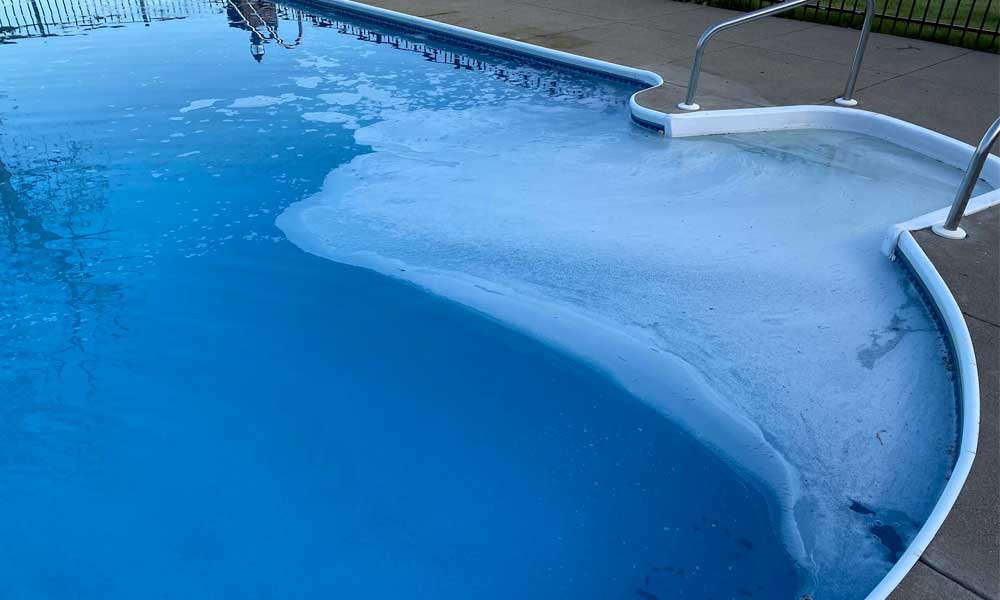
Algaecides are chemical substances used to control or prevent the growth of algae in swimming pools. The presence of foam when using algaecide in a pool can be due to several factors: Surfactants: Some algaecides contain surfactants or foaming agents as part of their formulation. Surfactants are substances that lower the surface tension of water, allowing bubbles to form more easily and resulting in foam. These surfactants can cause the algaecide solution to foam when it comes into contact with water and air. Agitation: Agitating the water by brushing the pool walls, using pool equipment, or even swimmers splashing around can introduce air into the water. When air is mixed