Best Pool Supplies Distributor in China

NEWS

Home > Tips

defoaming

Defoamer: An Essential Agent in Chemical Manufacturing Processes

In the world of chemical manufacturing, the efficient and smooth operation of processes is crucial. One key factor that can impede productivity and affect product quality is foam formation. To combat this challenge, industries heavily rely on Defoamers, also known as antifoam agents. In this article, we delve into the science behind defoamers, their essential role in chemical manufacture, and how they enable smoother and more efficient processes. defoamer is a chemical additive designed to suppress and control foam formation during various industrial processes, particularly in chemical manufacturing. Foam, a collection of gas bubbles trapped in a liquid or solid, may arise due to the introduction of air, agitation, or

Swimming Pool Chemical

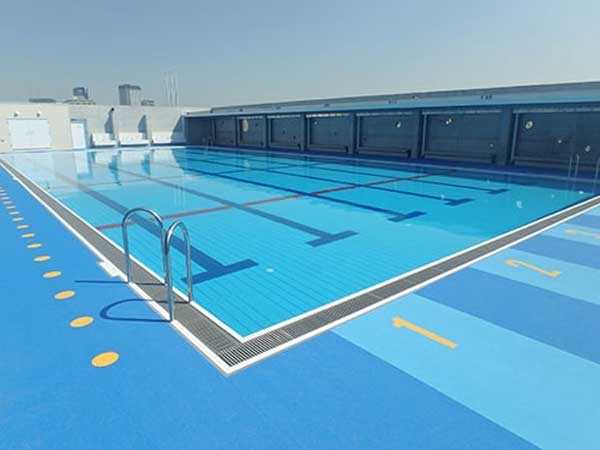
Essential Pool Chemicals: A Comprehensive Guide for Pool Owners

Owning a swimming pool can be a dream come true during hot summer days, providing a refreshing escape for family and friends. However, ensuring a safe and enjoyable swimming experience requires proper pool maintenance, particularly the use of essential Pool Chemicals. In this guide, we will outline the necessary pool chemicals that every pool owner should have to maintain a clean, clear, and safe swimming environment. Chlorine(TCCA, SDIC, etc): Chlorine is one of the most crucial pool chemicals, as it effectively kills harmful bacteria and algae that can thrive in pool water. It comes in various forms, such as liquid, granules, or tablets, and serves as a powerful disinfectant. Maintaining

swimming pool

Exploring the Revolutionary Application of BCDMH in Pool Maintenance

In a groundbreaking leap forward for the swimming pool industry, Bromochlorodimethylhydantoin Bromide has emerged as a game-changing solution for pool sanitization. This innovative compound is redefining pool maintenance by ensuring water clarity, safety, and sustainability. Let’s take a deep dive into the world of aquatic recreation and explore the exciting potential of Bromochlorodimethylhydantoin Bromide. Traditionally, chlorine has been the go-to chemical for pool sanitization, effectively eliminating harmful pathogens in pool water. However, Bromochlorodimethylhydantoin Bromide, often referred to as BCDMH Bromide, has emerged as a revolutionary alternative. This compound combines the strengths of both bromine and chlorine, creating a potent and versatile solution that offers superior sanitization capabilities. BCDMH Bromide presents

pool chemical TCCA

How to use Trichloroisocyanuric Acid in Pool?

In the realm of pool maintenance, the judicious use of pool chemicals is paramount for ensuring sparkling, safe, and inviting waters. Trichloroisocyanuric acid, commonly known as TCCA, has emerged as a stalwart player in this arena. This article delves into the optimal usage of TCCA, shedding light on its benefits and best practices to maintain a pristine swimming environment. Swimming pools are a source of respite and leisure, but maintaining their hygiene requires a meticulous approach. Pool chemicals, like trichloroisocyanuric acid, play a pivotal role in this process. TCCA, a chlorine-based compound, is renowned for its efficiency in sanitizing pool water. Its unique properties make it a preferred choice for

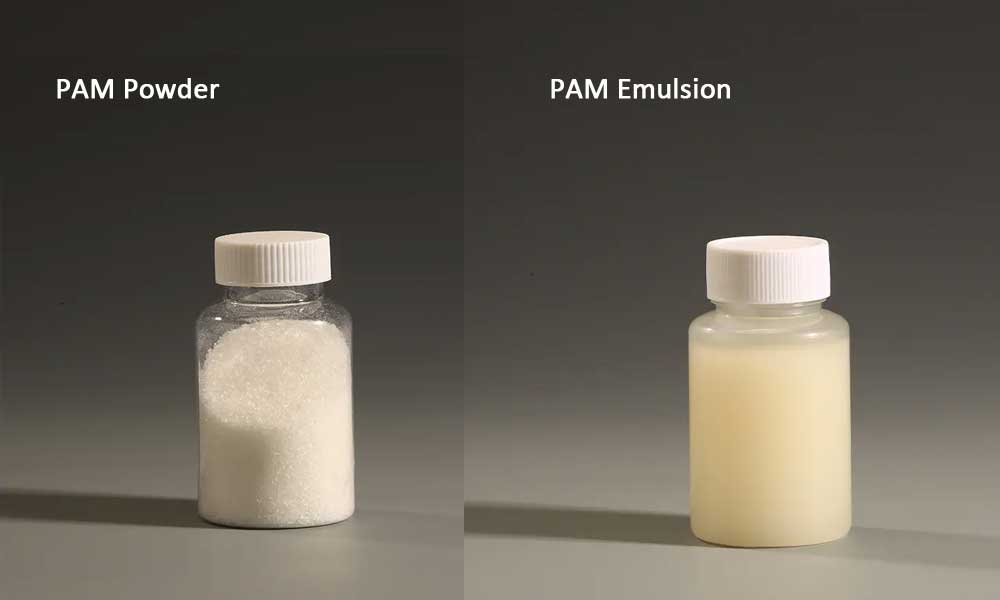
PAM

Why is Polyacrylamide used for protein electrophoresis

In the realm of modern science, protein electrophoresis stands as a cornerstone technique for analyzing and characterizing proteins. At the heart of this methodology lies Polyacrylamide, a versatile compound that serves as the backbone of gel matrices used in gel electrophoresis systems. Polyacrylamide’s unique properties make it an indispensable tool for researchers and scientists seeking to unravel the complexities of proteins and their interactions. Polyacrylamide, often referred to as PAM, is a synthetic polymer made from acrylamide monomers. Its remarkable versatility is attributed to its ability to form long chains, resulting in a gel-like substance that can accommodate various sizes of molecules. This property makes polyacrylamide an ideal candidate for

how is poly aluminium chloride made?

Poly Aluminium Chloride (PAC), a vital chemical compound widely used in water treatment, is undergoing a transformation in its manufacturing process. This shift comes as part of the industry’s commitment to sustainability and environmental responsibility. In this article, we delve into the details of the innovative production methods of PAC that not only enhance its quality but also reduce its ecological footprint. Traditional Production vs. Innovative Process Traditionally, PAC was produced using a batch process that involved dissolving aluminum hydroxide in hydrochloric acid and then polymerizing the aluminum ions. This method generated significant amounts of waste, emitted harmful byproducts, and consumed substantial energy. In contrast, the modern production process focuses