Best Pool Supplies Distributor in China

NEWS

Home > Tips

TCCA-90

What’s the procedure to clean pool water with TCCA 90?

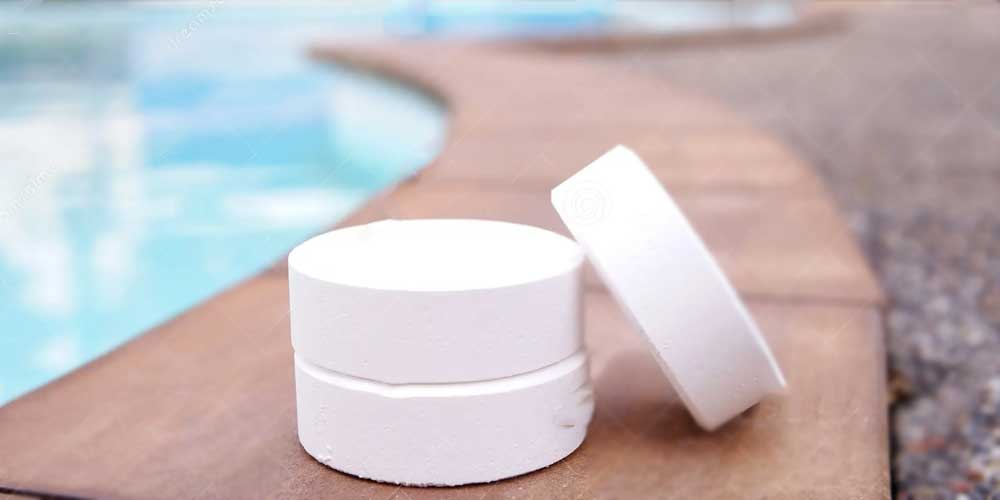
Cleaning pool water with Trichloroisocyanuric Acid (TCCA) 90 involves several steps to ensure effective disinfection and maintenance. TCCA 90 is a widely used chlorine-based disinfectant known for its high chlorine content and stability. Proper application of TCCA 90 helps in keeping the pool water safe and free from harmful microorganisms. Here is a step-by-step guide to cleaning pool water with TCCA 90: Safety Precautions: Before starting the cleaning process, ensure that you have the necessary safety equipment, including gloves and protective eyewear. Always follow the manufacturer’s instructions and guidelines for handling TCCA 90. Calculate Dosage: Determine the appropriate dosage of TCCA 90 based on the size of your pool. You
Sulfamic acid

What are the advantages of sulfamic acid?

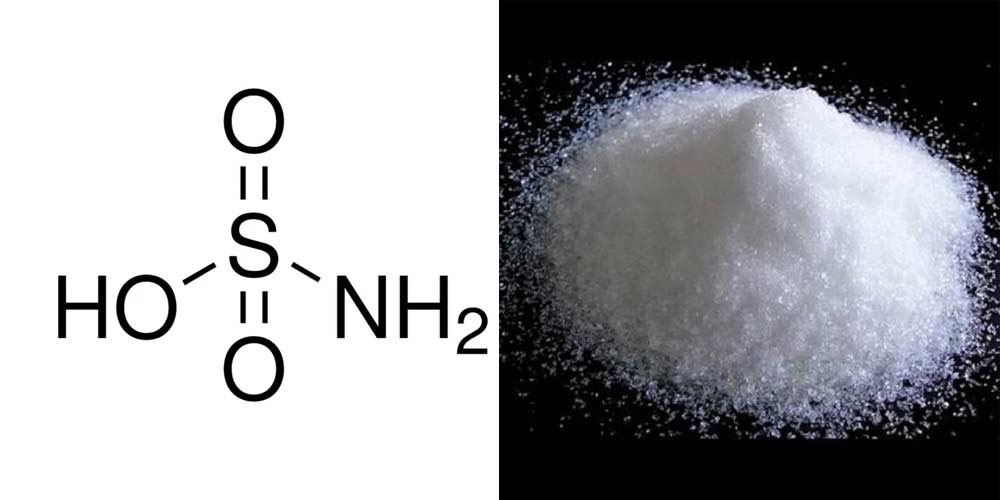
Sulfamic acid, also known as amidosulfonic acid, is a versatile chemical compound with a wide range of applications and several advantages. In this article, we will explore the various benefits of sulfamic acid, highlighting its key uses and properties. 1. Effective Descaling Agent: Sulfamic acid is renowned for its exceptional descaling properties. It is commonly used to remove scales, rust, and deposits in industrial equipment such as boilers, heat exchangers, and pipelines. Its efficiency in breaking down stubborn deposits makes it a preferred choice for maintenance and cleaning purposes. 2. Safe and Non-Corrosive: Unlike some strong acids, sulfamic acid is considered safe to handle. It is non-corrosive to common metals

TCCA90

ls TCCA 90 bleach

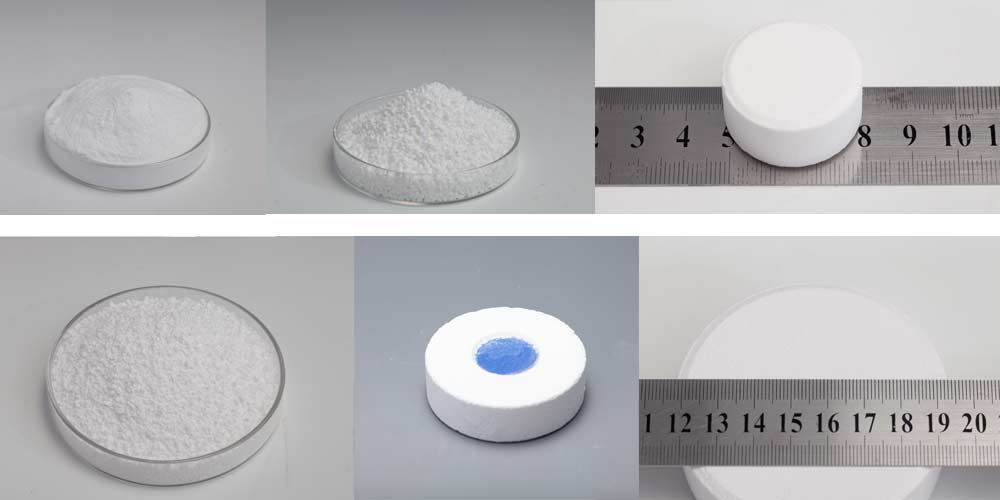
TCCA 90 bleach, also known as Trichloroisocyanuric Acid 90%, is a powerful and widely-used chemical compound. In this article, we will delve into the various aspects of TCCA 90 bleach, its uses, benefits, and safety considerations. Trichloroisocyanuric Acid (TCCA) 90 is a white, crystalline powder or granular form of chlorine. It is commonly used as a disinfectant, sanitizer, and bleaching agent due to its high chlorine content. TCCA 90 is extensively utilized across various industries and applications. Its primary uses include water treatment in swimming pools, purification of drinking water, and as a bleaching agent in the textile and paper industries. Additionally, it finds applications in household cleaning products. Water

SDIC in pool

When should I use sodium dichloroisocyanurate in my swimming pool?

Sodium Dichloroisocyanurate (SDIC) is a powerful and versatile chemical commonly used in swimming pool maintenance to ensure water quality and safety. Understanding the appropriate circumstances for its application is crucial for maintaining a clean and hygienic swimming environment. Water Disinfection: SDIC is primarily employed as a disinfectant to eliminate harmful microorganisms, bacteria, and algae in swimming pool water. Regular chlorination using SDIC helps prevent the spread of waterborne illnesses and ensures the safety of swimmers. Routine Maintenance: Incorporating SDIC into your routine pool maintenance schedule is essential for preventing the growth of algae and maintaining crystal-clear water. Adding the recommended amount of SDIC regularly helps establish a chlorine residual, preventing

Cyanuric Acid for pool

The Role of Cyanuric Acid in pH Regulation

Cyanuric acid, a chemical compound commonly used in swimming pools, is known for its ability to stabilize chlorine and protect it from the degrading effects of sunlight. While cyanuric acid primarily functions as a stabilizer, there is a common misconception about its impact on pH levels. In this discussion, we will explore the role of cyanuric acid in pH regulation and clarify whether it has the capacity to lower pH. Cyanuric Acid and pH: Contrary to popular belief, cyanuric acid does not directly lower pH levels in a swimming pool. Its primary role is to maintain the stability of free chlorine, thus prolonging its effectiveness in disinfecting the water. The

Polyacrylamide

What makes Polyacrylamide so good at Flocculation?

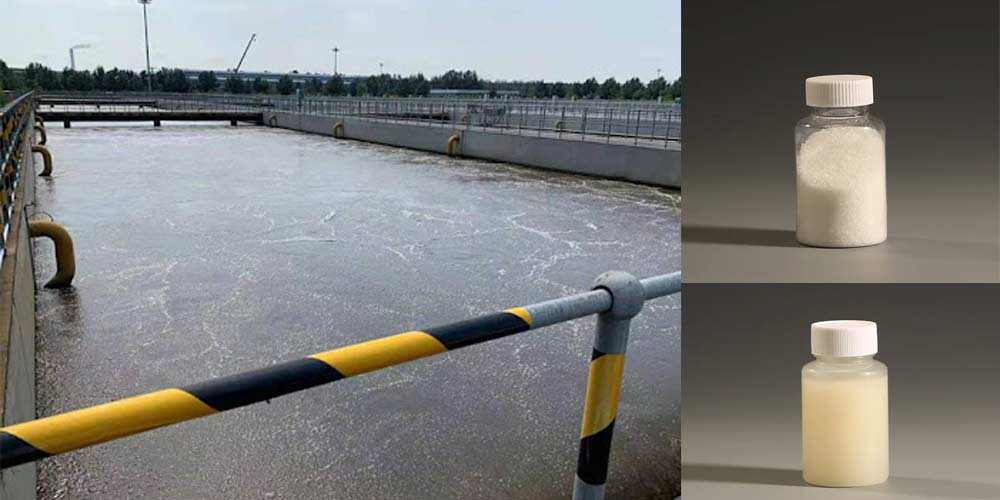
Polyacrylamide is widely recognized for its effectiveness in flocculation, a process crucial in various industries such as wastewater treatment, mining, and papermaking. This synthetic polymer, composed of acrylamide monomers, possesses unique characteristics that make it particularly well-suited for flocculation applications. First and foremost, the high molecular weight of polyacrylamide is a key factor contributing to its exceptional flocculation capabilities. The long chains of repeating acrylamide units allow for extensive interaction with suspended particles in a solution. This molecular structure enhances the polymer’s ability to form large and stable flocs, which are aggregates of fine particles. As a result, polyacrylamide can efficiently bind together smaller particles, facilitating their rapid settling or