Best Pool Supplies Distributor in China

NEWS

Home > Tips

Antifoam

What are the benefits of antifoaming agent?

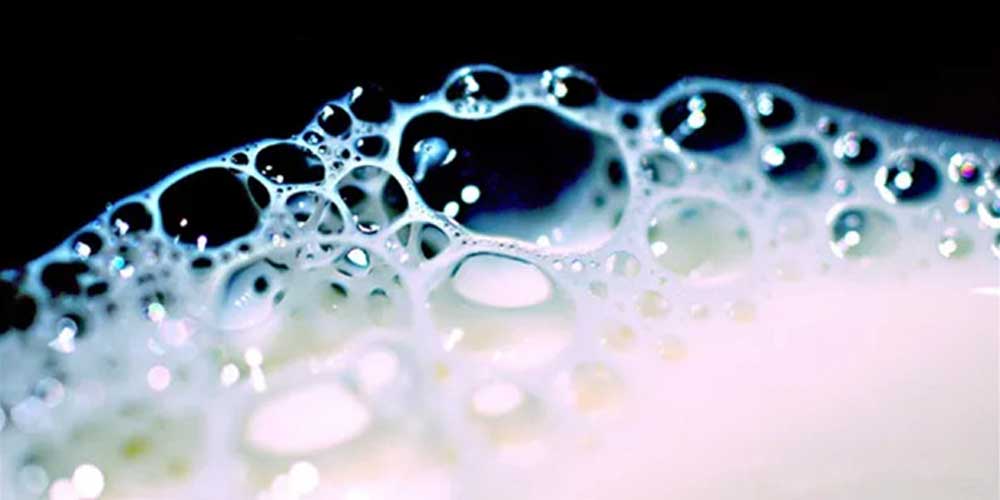
In the dynamic landscape of industrial production, efficiency is paramount. One often overlooked hero in this quest for productivity is the Antifoaming Agent, a substance designed to control or eliminate foam formation during various manufacturing processes. From the pharmaceutical industry to food and beverage production, the benefits of antifoaming agents are widespread and essential for maintaining optimal operational conditions. Antifoaming agents, also known as defoamers, play a crucial role in preventing the formation of unwanted foam in liquids. Foam can be a nuisance in industrial settings, causing equipment malfunctions, reducing production rates, and compromising the quality of end products. By incorporating antifoaming agents into production processes, companies can unlock several
sodium-fluorosilicate

What is Sodium Fluorosilicate used for?

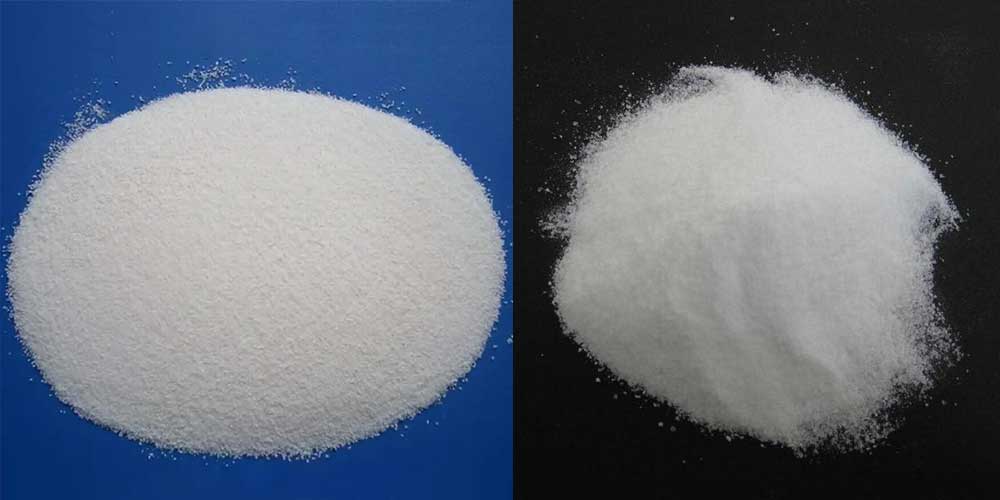
In recent years, sodium fluorosilicate has emerged as a key player in various industries, showcasing its versatility and efficacy in diverse applications. Sodium fluorosilicate appears as white crystal, crystalline powder, or colorless hexagonal crystals. It is odorless and tasteless. Its relative density is 2.68; it has moisture absorption capability. It can be dissolved in a solvent such as an ethyl ether but is insoluble in alcohol. The solubility in acid is more excellent than that in water. It can be decomposed in an alkaline solution, generating sodium fluoride and silica. After searing (300 ℃), it is decomposed into sodium fluoride and silicon tetrafluoride. Water treatment plants across the globe have

Cyanuric-Acid1

Understanding the Origin of Cyanuric Acid in Swimming Pools

In the world of pool maintenance, one essential chemical often discussed is cyanuric acid . This compound plays a crucial role in keeping pool water safe and clear. However, many pool owners wonder where cyanuric acid comes from and how it ends up in their pools. In this article, we will explore the sources of cyanuric acid in swimming pools and shed light on its significance in pool chemistry. The Origins of Cyanuric Acid Cyanuric acid, also known as CYA or stabilizer, is a chemical compound primarily used in swimming pools to protect chlorine from the sun’s ultraviolet (UV) rays. Without cyanuric acid, chlorine would quickly degrade when exposed to

pac

Groundbreaking Innovations in Water Treatment: Polyaluminium Chloride

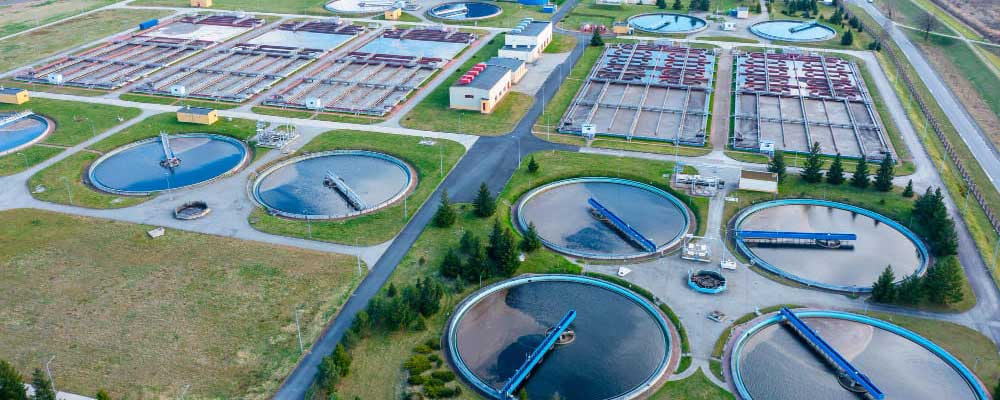
PolyAluminium Chloride, an advanced coagulant that is gaining widespread recognition for its effectiveness in purifying water. This chemical compound, primarily used for wastewater treatment, has proven to be highly efficient in removing impurities and contaminants from water sources. PAC acts as a powerful flocculant, binding together particles and pollutants, allowing them to settle and be easily removed from the water. One of the key benefits of PAC is its versatility. It can be applied to a variety of water sources, including industrial wastewater, municipal water treatment plants, and even in the purification of drinking water. This adaptability makes PolyAluminium Chloride a valuable tool in addressing the diverse water treatment needs

algaecide

When should you put algaecide in your pool?

During the hot summer months, when swimmers take to the crystal clear pool waters, maintaining pristine pool conditions becomes crucial. In the realm of pool care, the judicious use of Algaecide stands out as a crucial practice to thwart the growth of algae, ensuring a sparkling oasis for all to enjoy. To demystify the optimal timing for algaecide application, we delve into the nuances of pool maintenance strategies. Algae, the microscopic plant-like organisms that thrive in water, can transform a once inviting pool into a green, murky disappointment. Algaecides, chemical formulations designed to control and prevent algae growth, serve as potent guardians against this unwelcome invader. To maximize their efficacy,

TCCA

Trichloroisocyanuric Acid (TCCA) in Diverse Industries

In our dynamic and ever-changing world, chemicals have emerged as pivotal components across various sectors, from healthcare to water treatment. One such chemical gaining notable prominence is Trichloroisocyanuric Acid (TCCA), a versatile compound with widespread applications crucial for our daily lives. The Potency of TCCA TCCA manifests as a white crystalline powder or granular form, renowned for its potent disinfection and sanitation properties. Its versatility renders it indispensable across several key industries, making it a chemical of paramount importance. Water Treatment A fundamental application of TCCA lies in water treatment. Municipalities, swimming pools, and households alike rely on TCCA to ensure water safety and cleanliness. TCCA excels in eliminating harmful