
Best Pool Supplies Distributor in China

NEWS

Home > Tips

How to choose between TCCA and calcium hypochlorite

How to choose between TCCA and calcium hypochlorite

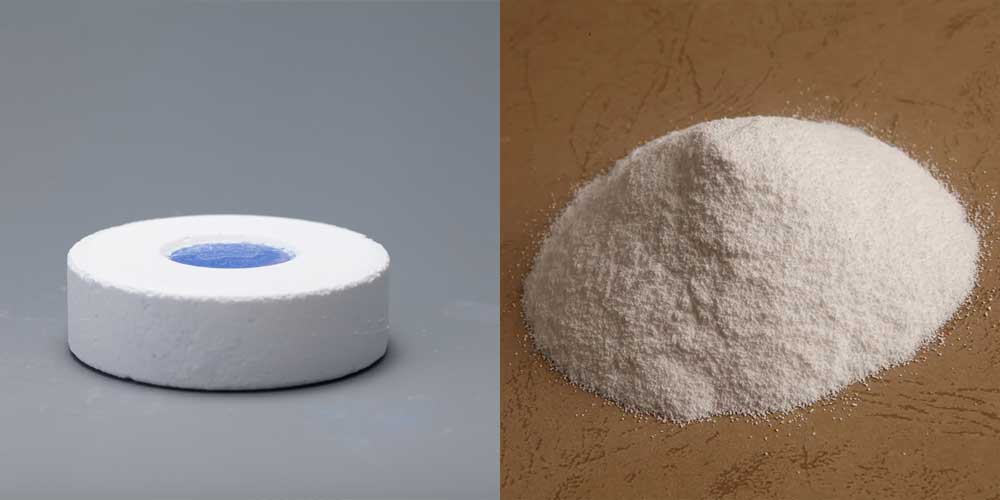
Clean and safe water are paramount in swimming pool maintenance. Two popular choices for pool disinfection, trichloroisocyanuric acid (TCCA) and calcium hypochlorite (Ca(ClO)₂), have long been the center of debate among pool professionals and enthusiasts. This article discusses the differences and considerations when choosing between these two powerful pool disinfectants. TCCA: The Power of Chlorine Stabilization Trichloroisocyanuric acid, commonly known as TCCA, is a chemical compound widely recognized for its chlorine-rich composition. One of its primary advantages is the inclusion of chlorine stabilizers, which help slow down chlorine degradation in the presence of sunlight. This means TCCA offers a longer-lasting chlorine residual, making it an excellent choice for outdoor pools

How often do you add chlorine to your pool?

The frequency at which you need to add chlorine to your pool depends on several factors, including the size of your pool, its water volume, the level of usage, weather conditions, and the type of chlorine you’re using (e.g., liquid, granular, or tablet chlorine). Generally, you should aim to maintain a consistent chlorine level in your pool to keep the water clean and safe for swimming. Here are some general guidelines for adding chlorine to a pool: Daily or Weekly: Many pool owners add chlorine to their pool on a daily or weekly basis to maintain a stable chlorine residual. This can involve using a floating chlorinator or an automatic chlorinator

What is Ferric Chloride?

In the world of chemistry, Ferric Chloride has emerged as a versatile and indispensable compound, playing a pivotal role in various industrial applications. From water treatment to electronics manufacturing, this chemical has become a cornerstone for several processes, making it a subject of interest for researchers, engineers, and environmentalists alike. What is Ferric Chloride? Ferric Chloride, chemical formula FeCl3, is a compound composed of iron and chlorine atoms. It exists in both solid and liquid forms, with its anhydrous version being a dark, crystalline solid and the more commonly used hydrated form appearing as a brownish-yellow liquid. This compound is highly soluble in water, creating a reddish-brown solution when dissolved. Versatile

Calcium Hypochlorite usage and dosage

In recent times, the importance of proper disinfection and sanitization has been underscored like never before. With health and hygiene taking center stage, Calcium Hypochlorite  has emerged as a trusted agent in the fight against harmful pathogens. This comprehensive guide will delve into the usage and dosage of Calcium Hypochlorite, providing valuable insights for industries and households alike. What is Calcium Hypochlorite? Calcium Hypochlorite, often abbreviated as Ca(ClO)₂, is a chemical compound widely recognized for its potent disinfection properties. It is commonly used in various applications, including water treatment, pool maintenance, and as a cleaning agent. Proper Usage for Water Treatment Pool Maintenance: Calcium Hypochlorite is a staple in pool maintenance

Does Pool Clarifier work?

In the realm of swimming pool maintenance, the pursuit of pristine, crystal-clear water is a goal shared by pool owners around the world. To achieve this, pool chemicals play a pivotal role, with the innovative Blue Clear Clarifier emerging as a game-changer. In this article, we delve into the world of pool clarifiers, exploring how they work and how the Blue Clear Clarifier, in particular, has revolutionized pool maintenance. Understanding the Basics of Pool Clarifiers Pool clarifiers are a group of chemicals designed to improve water clarity by helping to remove fine particles and impurities that escape filtration. These tiny particles, often invisible to the naked eye, can give your pool

Aluminium Chlorohydrate in water treatment

In an era marked by increasing concerns about water quality and scarcity, a groundbreaking innovation is making waves in the world of water treatment. Aluminium chlorohydrate (ACH) has emerged as a game-changer in the quest for efficient and eco-friendly water purification. This remarkable chemical compound is revolutionizing the way we treat and safeguard our most precious resource – water. The Water Treatment Challenge As the global population grows and industrialization surges, the demand for clean and safe drinking water has never been greater. However, conventional water treatment methods often fall short in providing cost-effective and sustainable solutions. Many treatment processes involve the use of hazardous chemicals and generate harmful byproducts