
Comprehensive Guide To Swimming Pool Maintenance For Beginners
Keeping a swimming pool in pristine condition requires regular care, but beginners can master these tasks with the right knowledge. This guide will cover all aspects of swimming pool maintenance, from essential cleaning routines to managing chemical balances and troubleshooting common issues. By following these steps, you’ll ensure a safe, sparkling pool for everyone to enjoy.This guide provides beginners with a comprehensive approach to essential pool maintenance tasks, helping ensure your pool remains in top condition.
1. Essential Pool Equipment and Their Functions
Types of Pools
Inground Pools
- Concrete Pools: Highly customizable, concrete pools are poured on-site, allowing for various shapes, sizes, and depths. Concrete pools can be finished with plaster, tiles, or stones for a unique look. They are durable but require regular maintenance and can be costly.
- Fiberglass Pools: Pre-molded in a factory, these pools are delivered as a single piece. They are quick to install, require minimal maintenance, and offer a smooth surface, but customization options are limited to the mold options available.
- Vinyl-Liner Pools: These pools use a flexible vinyl liner as a waterproof layer over a frame made of steel, aluminum, or polymer. They are affordable and offer design flexibility, but the liner needs replacing every 5-10 years, depending on use and maintenance.
Above-Ground Pools
- Metal Frame Pools: These pools are made with a frame of steel or aluminum, offering durability and structural support. They’re easy to assemble and disassemble and are often more affordable but may not last as long as inground options.
- Inflatable Pools: Lightweight, inexpensive, and easy to install, inflatable pools are popular for temporary setups. They are suitable for small spaces and families but are generally not long-lasting.
Natural Pools
- Natural Pools: These pools use plants and filtration systems to create a self-sustaining, chemical-free swimming area that resembles a pond or natural water body. They require minimal chemicals and offer environmental benefits, though they require ongoing maintenance of the plants and filtration systems.
Pool Materials
Concrete
- Advantages: Highly customizable, durable, and capable of unique finishes.
- Disadvantages: Expensive and requires a longer installation time; requires periodic resurfacing.
Fiberglass
- Advantages: Smooth surface, algae-resistant, low maintenance, quick installation.
- Disadvantages: Limited in shape, size, and depth; potential for damage if not properly supported.
Vinyl
- Advantages: Affordable, customizable shape and size, smooth surface.
- Disadvantages: The vinyl liner is prone to tearing, requires periodic replacement, and may need more maintenance to prevent punctures.
Metal (Steel or Aluminum)
- Advantages: Durable and weather-resistant for above-ground pools; easy to install.
- Disadvantages: Prone to rust over time if not treated and may not last as long as other materials.
Stone and Tile
- Advantages: Provide a luxurious finish and are very durable; natural stone adds elegance.
- Disadvantages: Expensive; tiles and stones may crack or become damaged, requiring replacement.
Composite Materials
- Advantages: Strong, resistant to weather and chemical damage, eco-friendly.
- Disadvantages: Generally more expensive and limited in design.
Pump and Filtration System
The filtration system is the heart of the pool, effectively removing impurities, bacteria, and microorganisms. There are three main types of filters: sand, cartridge, and diatomaceous earth filters. Choosing the right one depends on the pool size.
- Sand Filter: Suitable for most pools, offers high filtration efficiency and requires regular backwashing.
- Cartridge Filter: Ideal for smaller pools, easy to maintain with moderate filtration efficiency.
- Diatomaceous Earth Filter: Provides the best filtration but is costlier, ideal for high-end pools.
Water Testing Kit
A water testing kit helps measure key parameters like chlorine levels, pH, and alkalinity, allowing for timely water quality adjustments.
Essential Tools for Pool Maintenance
Having the right tools can make pool maintenance significantly easier. Here’s a list of essential equipment every pool owner should have:
- Telescopic Pole: Used with different attachments like skimmer nets, vacuum heads, and brushes.
- Leaf Skimmer Net: Quickly removes leaves and debris floating on the water surface.
- Pool Brush: Scrubs pool walls and floors to prevent algae and grime buildup.
- Pool Vacuum: Essential for cleaning dirt and debris from the pool floor.
- Water Testing Kit: Measures chemical levels in the water to ensure safe swimming conditions.
- Automatic Pool Cleaner (Optional): Saves time by automatically scrubbing and vacuuming the pool.
Equipping yourself with these tools allows for efficient and effective pool care.
2.Chemical Balance Essentials
Chemical balance is crucial for maintaining clear, safe water. Pool water chemistry involves managing four primary levels: pH, alkalinity, chlorine, and calcium hardness.
2.1 Key Chemicals and Their Role
Ideal Pool Water Parameters and Recommended Ranges (ppm)
Maintaining the correct chemical balance in a pool is essential for water clarity, safety, and comfort. Here are the recommended parameter ranges for a healthy, balanced pool:
| Parameter | Ideal Range | Unit |
|---|---|---|
| pH Level | 7.2 – 7.6 | – |
| Total Alkalinity | 80 – 120 | ppm |
| Free Chlorine | 1 – 3 (up to 5 for spas) | ppm |
| Combined Chlorine | < 0.4 | ppm |
| Bromine | 2 – 4 (4 – 6 for spas) | ppm |
| Calcium Hardness | 200 – 400 | ppm |
| Cyanuric Acid | 30 – 50 | ppm |
| Total Dissolved Solids (TDS) | < 1500 | ppm |
| Turbidity | < 0.5 | NTU |
| Urea | < 3.5 | ppm |
The following are the water quality standards for swimming pools in various countries
USA:
China:
Russia:
UK:
France:
Australia:
- AS 3633-1989 – Private swimming pools
- As 3634-1989 Solar Heating Systems For Swimming Pools
- Guidelines for Safe Pool Operation
EU:
Explanation of Key Parameters
1.pH Level (7.2 to 7.8)
- Optimal pH keeps the water comfortable and prevents corrosion of pool equipment. Use pH increasers or decreasers to adjust levels as necessary.
When the pool’s pH rises above 7.8, the water becomes overly alkaline, reducing chlorine’s effectiveness as a disinfectant. This can result in cloudy water, scaling on pool equipment, and potential skin issues for swimmers. To lower the pH to optimal levels, adding pH Reducer (Sodium Bisulfate) can help restore balance and improve water quality.
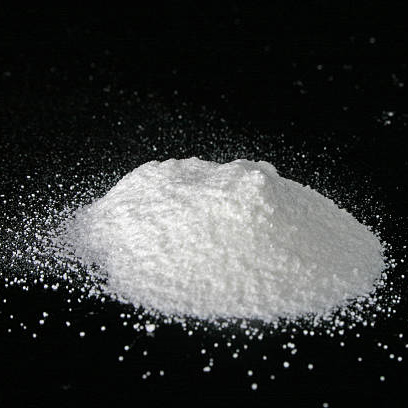
When the pool’s pH is too low, the water becomes acidic and corrosive, leading to multiple issues:
- Acidic water can irritate swimmers’ eyes, nasal passages, and dry out skin and hair, causing itchiness.
- Acidic water corrodes metal surfaces and pool components like ladders, railings, light fixtures, and metal parts in pumps, filters, and heaters.
- Low pH damages pool materials such as gypsum, cement, stone, concrete, and tile, while vinyl surfaces may become brittle and prone to cracking or tearing. Dissolved minerals from these materials can cloud the pool water.
- Additionally, free chlorine dissipates faster, reducing its disinfecting power and increasing the risk of bacterial and algae growth.
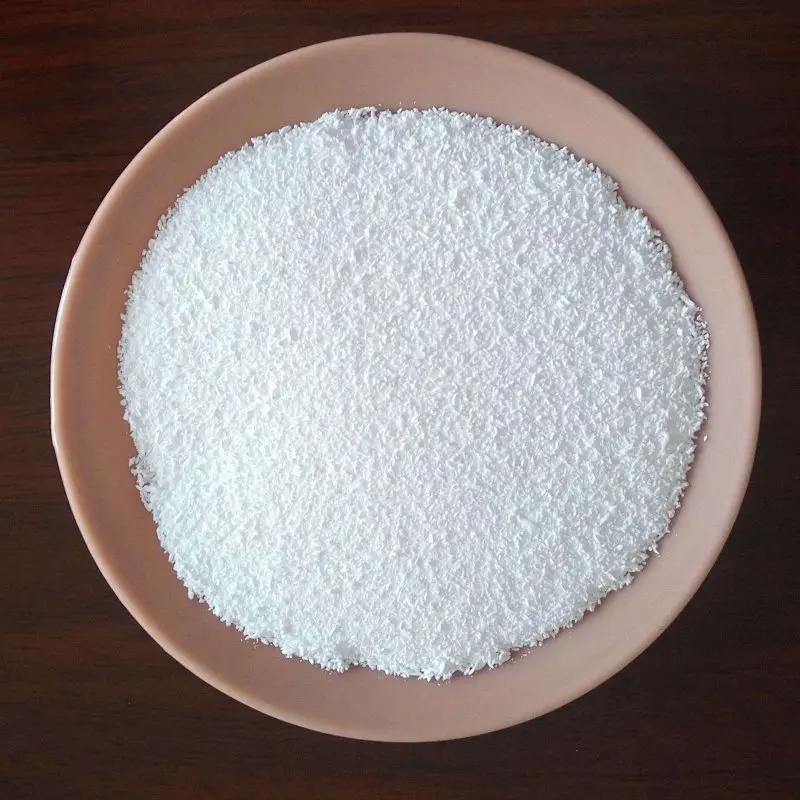
To raise a low pH to the ideal 7.2–7.8 range, add pH Increaser (Sodium Carbonate). After balancing the pH, also ensure total alkalinity is adjusted to the recommended range (60-180 ppm) for best results.
2.Total Alkalinity (60-200 ppm)
- Alkalinity acts as a buffer for pH, preventing rapid changes. Add baking soda to increase alkalinity or muriatic acid to lower it.
In addition to a balanced pH, total alkalinity (TA) significantly impacts the stability and safety of pool water. Total alkalinity reflects the water’s buffering capacity, helping to keep pH stable. High TA can make pH regulation difficult and, when combined with high calcium hardness, may lead to scale formation. Conversely, low TA causes pH to fluctuate, making it hard to maintain within the ideal range.
The recommended TA range is 80-100 mg/L for pools with stabilized chlorine and 100-120 mg/L for other pools, allowing up to 150 mg/L for plastic-lined pools. Testing TA levels weekly is advised to maintain water quality.
When TA is too low, Sodium Bicarbonate can be added to increase it. For high TA, Sodium Bisulfate or Hydrochloric Acid can help with neutralization. The most effective method to lower TA, however, is to partially replace the pool water, or to temporarily lower the pH below 7.0, then use a blower to aerate and remove carbon dioxide until the TA reaches the desired level.
3.Chlorine (1-3 ppm)
- Chlorine is the primary sanitizer that kills bacteria. Use chlorine tablets or liquid chlorine, and shock the pool periodically to maintain clarity.
- Chlorine disinfection is a widely used and effective method for maintaining water quality in swimming pools. When chlorine is added to the water, it forms hypochlorous acid, which effectively destroys the cell structures of bacteria, viruses, and other microorganisms, thereby ensuring disinfection. The most commonly used chlorine compounds in the market include Sodium Dichloroisocyanurate, Trichloroisocyanuric Acid, and Calcium Hypochlorite.
Sodium Dichloroisocyanurate, commonly known as SIDC or NaDCC, is a highly effective disinfectant available in white granules. It contains 55%-60% available chlorine, which effectively eliminates bacteria, viruses, and algae, ensuring a safe and healthy swimming environment. One of the advantages of SDIC is its safety and long shelf life, remaining effective for over two years under suitable conditions.
Due to its high solubility and rapid dissolution rate, SDIC is ideal for shock treatment in swimming pools while minimally affecting the pH levels. Additionally, as a stabilized form of chlorine, it does not require the addition of cyanuric acid (CYA) for stabilization.
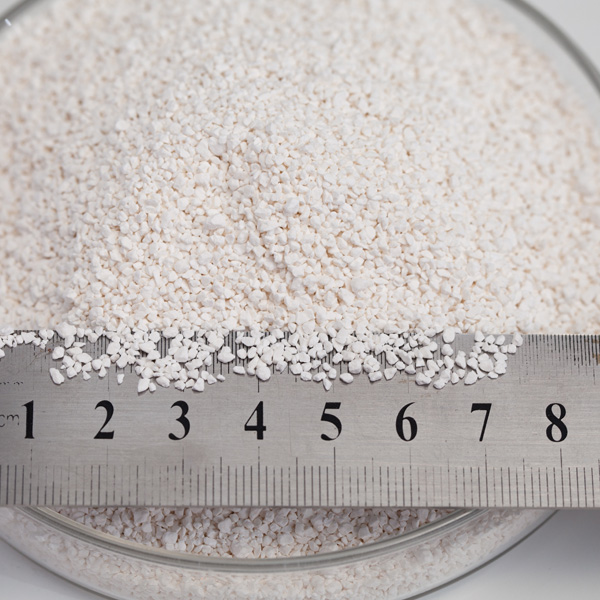
Furthermore, SDIC can be formulated with an effervescent agent to create effervescent tablets, which dissolve more quickly than standard SDIC tablets and can also be used for household disinfection.
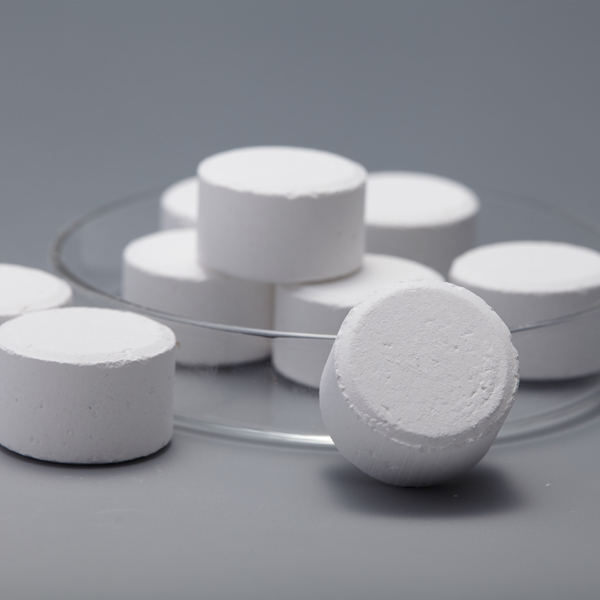
Trichloroisocyanuric Acid (TCCA) is another highly effective disinfectant, containing up to 90% available chlorine. Like Sodium Dichloroisocyanurate (SDIC), TCCA is a stabilized form of chlorine that does not require the addition of cyanuric acid (CYA) when used in swimming pools; however, it can lower the pH level of the pool water.
Due to its low solubility and slow dissolution rate, TCCA is typically available in tablet form and is used in feeders or dispensers. This characteristic allows TCCA to release hypochlorous acid continuously and steadily, maintaining effective cleaning and disinfection over an extended period.
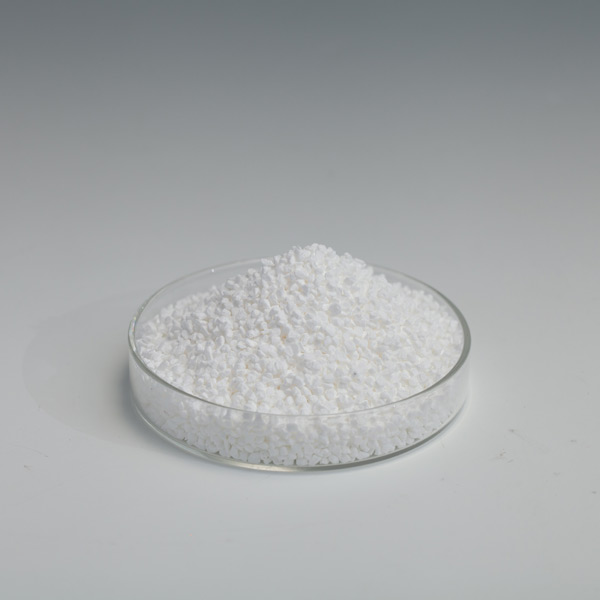
Additionally, TCCA can be formulated into multifunctional tablets that offer limited clarifying and algae-killing properties, enhancing its utility for pool maintenance.
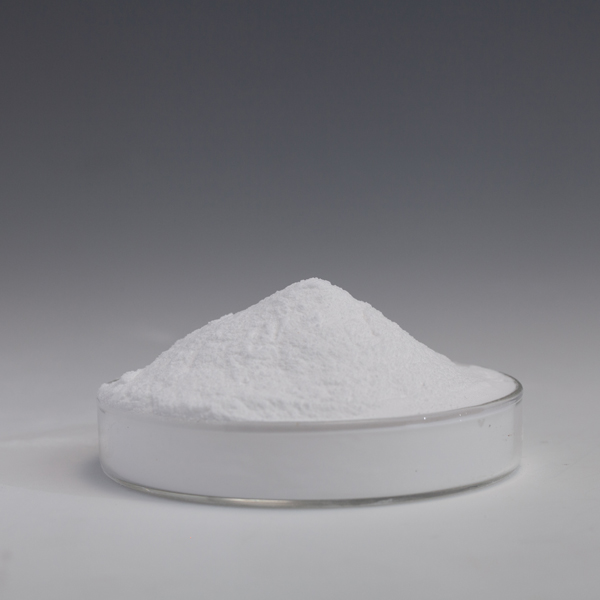
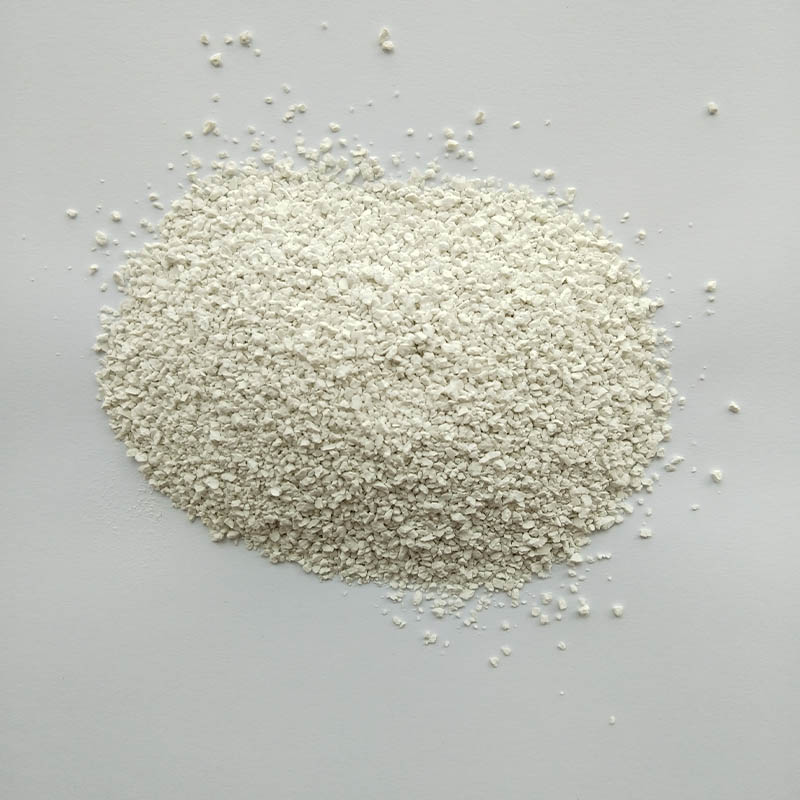
Calcium Hypochlorite, commonly referred to as CHC, is an inorganic compound available in white to off-white granules and is one of the disinfectants frequently used for pool maintenance. It contains 65% to 70% available chlorine.
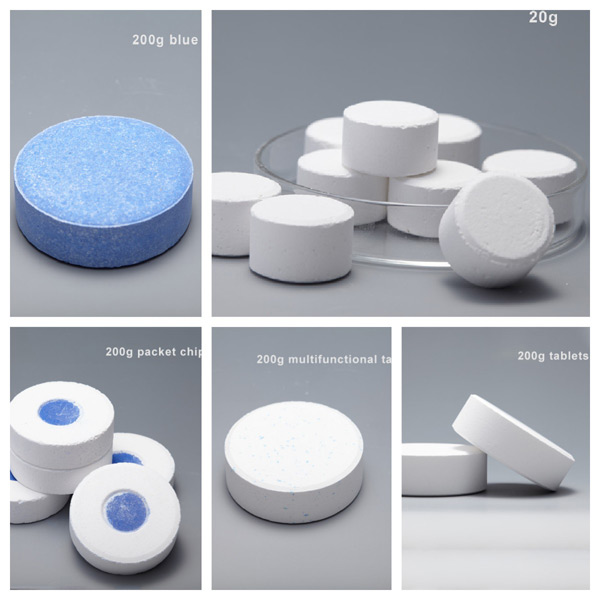
Unlike Sodium Dichloroisocyanurate (SDIC) and Trichloroisocyanuric Acid (TCCA), CHC is a non-stabilized chlorine, meaning it does not increase the cyanuric acid (CYA) levels in the pool. This makes CHC an excellent choice for shock treatment when addressing significant water quality issues, especially in pools with high CYA levels.
However, using CHC can be more cumbersome compared to other chlorine disinfectants. Due to its high content of insoluble matter, it must be thoroughly dissolved and clarified before being added to the pool to ensure effective disinfection.
4.Bromine Levels (2-4 ppm for pools, 4-6 ppm for spas)
- Ideal bromine levels in pool water should be kept within this range to maintain effective disinfection without causing skin or eye irritation. It offers a stable and long-lasting sanitization effect.
- Bromine disinfection has become increasingly popular in pool maintenance due to its mild yet long-lasting disinfection properties. In water, bromine exists as hypobromous acid (HBrO) and bromide ions (Br-), with HBrO being a powerful oxidizer that effectively eliminates bacteria, viruses, and other microorganisms.One common chemical used in bromine disinfection is Bromochlorodimethylhydantoin, which helps maintain effective bromine levels for ongoing sanitation. This method of disinfection is particularly favored for its stability and effectiveness in a variety of water conditions.
Bromochlorodimethylhydantoin (BCDMH) is a premium bromine disinfectant typically available in white tablets, containing 28% available chlorine and 60% available bromine. Due to its low solubility and slow dissolution rate, BCDMH is commonly used in spas and hot tubs.
One of the significant advantages of BCDMH is that it has a milder odor compared to chlorine, which reduces irritation to swimmers’ eyes and skin. Additionally, BCDMH exhibits good stability in water, remaining effective regardless of fluctuations in pH, ammonia nitrogen, and cyanuric acid (CYA) levels, which helps maintain its disinfection efficiency.
However, it’s important to note that bromine is not stabilized by CYA, making it less suitable for outdoor swimming pools where sunlight can degrade its effectiveness. Care should be taken when using BCDMH in such environments.
PHMB (Polyhexamethylene Biguanide) is available in both colorless transparent liquid and white particle forms, with the solid version being highly soluble in water. Using PHMB offers several advantages: it does not produce the strong bromine odor associated with traditional disinfectants, thus minimizing skin irritation for swimmers. Additionally, PHMB operates independently of cyanuric acid (CYA) levels, eliminating concerns related to its concentration.
However, PHMB is relatively expensive and is incompatible with chlorine and bromine systems, making transitions between disinfectants cumbersome. Strict adherence to usage procedures is crucial; otherwise, improper use can lead to significant complications. PHMG (Polyhexamethylene Guandine) offers similar efficacy to PHMB, making it a viable alternative.
5.Calcium Hardness (200-450 ppm)
- Calcium prevents water from becoming corrosive. Use calcium chloride to increase levels if needed.
Calcium hardness (CH) is a fundamental measure in pool water balance, influencing water clarity, equipment longevity, and swimmer comfort.
Low CH levels can cause concrete pool surfaces to erode and develop bubbles. High CH levels, on the other hand, promote scale buildup, reduce the effectiveness of copper algaecides, and lower heater efficiency by affecting heat transfer. Weekly testing of CH is recommended, with an ideal range of 180-250 mg/L for plastic-lined pools and 200-275 mg/L for concrete pools.
To raise CH, add Calcium Chloride, distributing it evenly to avoid localized concentration. If CH is too high, use a scale remover as directed to prevent potential damage to pool equipment and maintain water quality.
6.Stabilizer (Cyanuric Acid)
- Used in outdoor pools to protect chlorine from UV breakdown. Ideal levels are 30-50 ppm.
7.Turbidity (<1 NTU)
Turbidity refers to the cloudiness or haziness of pool water caused by suspended particles, contaminants, or microbial growth. Managing turbidity is essential, as clear water is a key indicator of a healthy, balanced pool. High turbidity can affect both the aesthetic appeal and safety of the pool, as it may signal chemical imbalances or filtration issues.
Causes of Turbidity in Pools
- Inadequate Filtration
- If the pool’s filtration system isn’t working properly, it may fail to remove particles effectively. Dirty or clogged filters can prevent the proper circulation of clean water.
- Chemical Imbalance
- Imbalances in pH, alkalinity, or calcium hardness can contribute to turbidity. High pH or calcium hardness can lead to the formation of mineral deposits, while low pH can make the water too acidic, causing metals to corrode and cloud the water.
- Organic and Inorganic Contaminants
- Body oils, lotions, dirt, algae, and bacteria can increase turbidity, especially during high-use periods. Contaminants that remain unoxidized may linger in the water, contributing to cloudiness.
- Environmental Factors
- Rain, wind, and surrounding vegetation can introduce additional contaminants. After storms, pools often experience increased turbidity due to the influx of debris and runoff water.
How to Manage and Reduce Turbidity
- Check and Balance Pool Chemistry
- pH (7.2–7.6): Keep pH in the ideal range to avoid cloudiness caused by low or high pH levels.
- Alkalinity (80–120 ppm): Proper alkalinity acts as a buffer for pH stability.
- Calcium Hardness (200–400 ppm): Balancing calcium hardness helps prevent mineral precipitation, which can make the water appear cloudy.
- Use Pool Shock Treatments
- Regularly “shocking” the pool with high doses of chlorine or non-chlorine shock helps oxidize contaminants, clearing up turbidity caused by organic matter. For best results, shock the pool in the evening to prevent chlorine degradation by sunlight.
- Improve Filtration
- Clean and backwash the filter regularly to ensure it’s functioning at peak efficiency. Consider using a pool clarifier, which causes tiny particles to clump together so that the filter can capture them more effectively.
- Maintain Circulation
- Ensure that the pool’s circulation system is operating correctly. Good circulation helps distribute chemicals evenly and moves particles toward the filter for removal. Check the pump’s performance and adjust the direction of return jets to optimize water flow.
- Utilize Flocculants When Necessary
- For severe cases of turbidity, adding a flocculant can help gather suspended particles at the bottom of the pool, where they can be vacuumed out. Flocculants are typically used as a last resort when turbidity levels are high.
- Regularly Remove Debris
- Remove floating debris using a skimmer and vacuum the pool floor to prevent organic materials from decomposing in the water. This helps reduce contaminants and prevents turbidity from developing.
Monitoring Turbidity in Pools
Using a turbidity test kit or photometer to measure the clarity of the water helps to confirm the pool’s cleanliness. Regular monitoring ensures timely action when turbidity levels rise, allowing for immediate adjustments in chemical balance or filtration.
By addressing turbidity with these maintenance practices, pool water remains clear, visually appealing, and safe for swimmers.
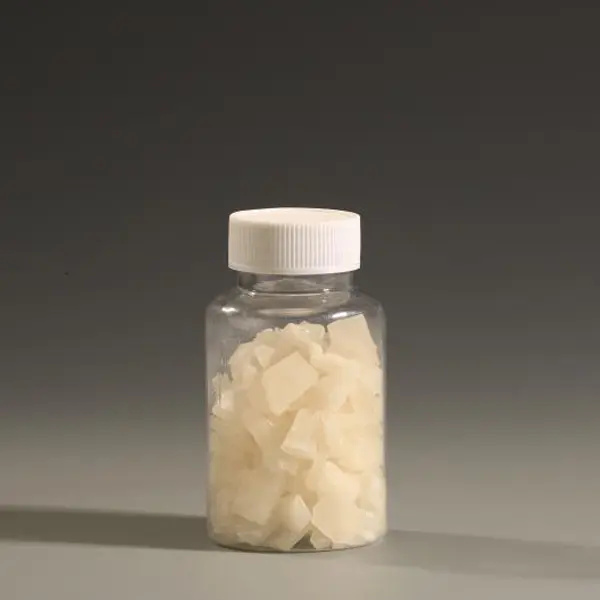
Aluminum Sulfate (commonly known as Alum) is an effective flocculant for keeping pool water clean and clear. In pool treatment, alum dissolves to form flocs that attract and bind to suspended particles and contaminants, making them easier to remove from the water. As alum dissolves, it gradually hydrolyzes to form Al(OH)₃, a positively charged colloid that binds with negatively charged particles in the water, causing them to coalesce and precipitate to the bottom. The sediment can then be removed by vacuuming or filtration.
However, alum’s effectiveness decreases in cold water, where flocs form more slowly and loosely, reducing coagulation and flocculation efficiency.
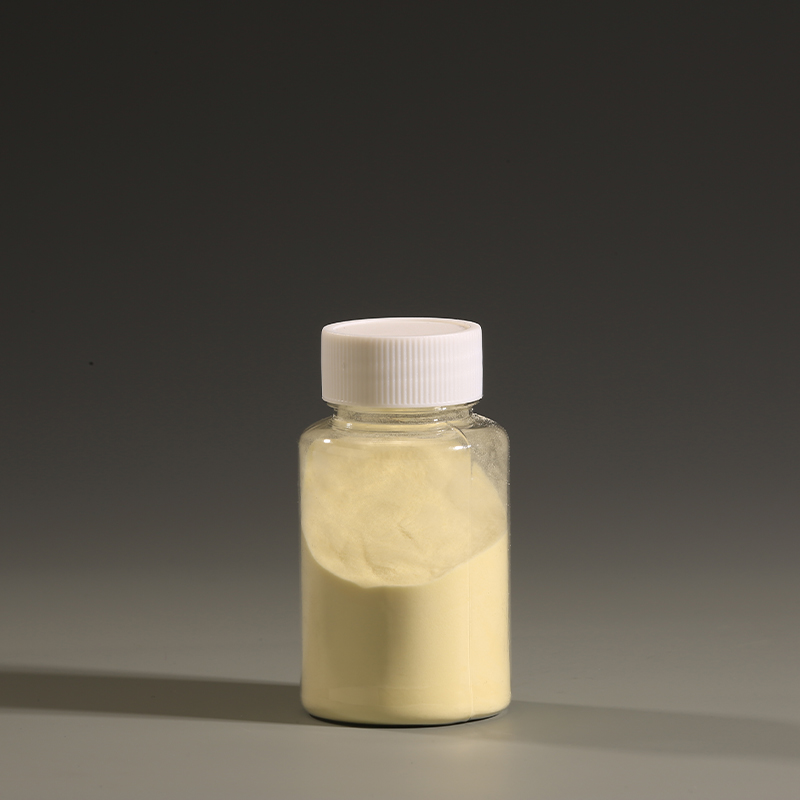
Polyaluminum Chloride (PAC) is another commonly used compound in swimming pool water treatment. As an inorganic polymer flocculant, PAC plays a crucial role in maintaining water quality by effectively removing suspended particles, colloids, and organic matter. Additionally, PAC helps eliminate dead algae in the pool, helping to control algae growth.
Both PAC and alum are aluminum-based flocculants, so it’s important to properly dissolve PAC before adding it to the pool. Once dissolved, run the pump until the flocculant is completely and evenly dispersed throughout the water. After this, turn off the pump and allow the water to remain still. Once the sediments settle at the bottom of the pool, use a vacuum cleaner to remove them.
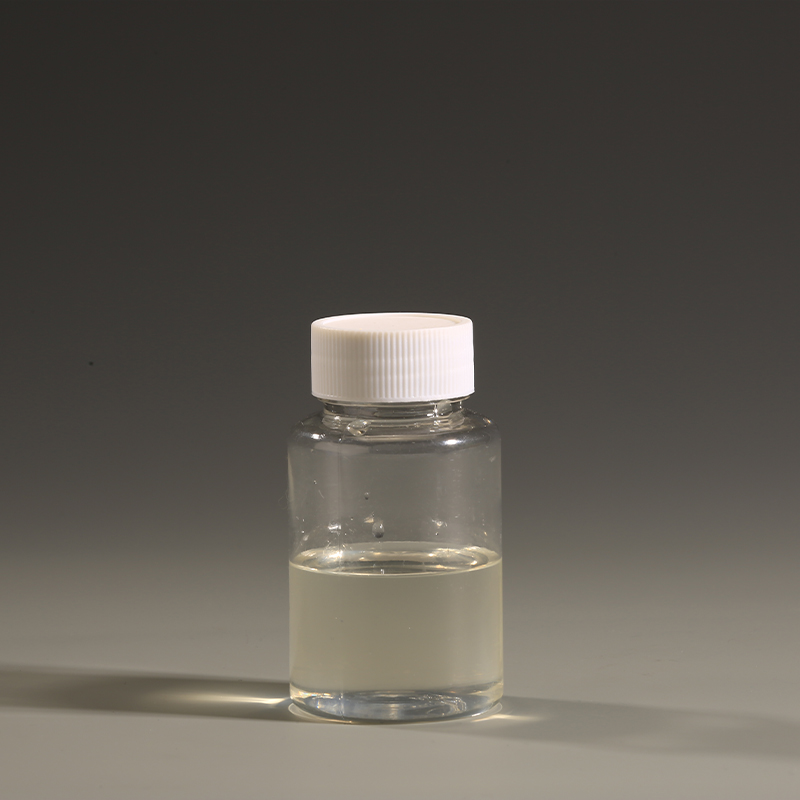
PDADMAC and Pool Gel are both organic flocculants used in pool treatment. When utilized, the flocs they form are filtered by the sand filter, and it’s essential to backwash the filter after the flocculation process is complete.
PDADMAC must be dissolved before being added to the pool, while Pool Gel is conveniently placed directly in the skimmer. However, compared to alum and PAC, both PDADMAC and Pool Gel have relatively lower flocculation performance.
2.2 Water Testing and Adjustment
Testing water at least twice a week with a reliable kit is vital to keeping levels balanced. Make adjustments gradually, retesting after each addition to avoid overcorrection.
3. Pool Cleaning Procedures
3.1 Regular Vacuuming
Use a pool vacuum to remove debris from the bottom, recommended weekly. Automatic vacuums can be set to clean daily for consistently clear water.
3.2 Skimming
Leaves and insects floating on the surface can affect water quality. Use a skimmer daily to remove floating debris.
3.3 Brushing Pool Walls
Algae easily grows on walls, so brush weekly to keep algae from spreading and to maintain pool aesthetics.
3.4 Managing Pool Filtration and Circulation
Effective filtration and circulation prevent algae buildup and ensure that water remains clean. Here’s a breakdown of how to manage these systems:
- Run the Pump Daily
- Ideally, run the pump for 8-12 hours daily to circulate water, keeping it clear and contaminant-free.
- Backwash and Clean Filters
- Backwash DE and sand filters weekly or as needed to flush out trapped contaminants. Rinse cartridge filters thoroughly.
- Inspect Pool Return Jets
- Position return jets in a circular pattern to create a whirlpool effect, promoting even water distribution.
Filter Types and Maintenance
- Sand Filters: Require backwashing every 1-2 weeks.
- DE Filters: Need regular backwashing and recharging with DE powder.
- Cartridge Filters: Require rinsing every few weeks and replacement every few years.
4. Seasonal Pool Maintenance
4.1 Seasonal Pool Maintenance Tasks
Different seasons may require specific adjustments and maintenance. Here’s how to prepare your pool:
Summer Maintenance
- Increase pump runtime to handle higher usage and warmer temperatures.
- Check chemical levels more frequently, as heat and sunlight reduce chlorine effectiveness.
- Clean and inspect equipment like the pool pump and filters regularly.
4.2 Winter Maintenance
- Lower Water Level
- Drain water below the skimmer line to prevent freezing damage.
- Add Winterizing Chemicals
- Use algaecide and chlorine to prevent algae growth and bacteria buildup.
- Cover the Pool
- Use a sturdy pool cover to keep debris out and maintain water quality.
5. Common Pool Maintenance Issues and Solutions
5.1 Cloudy Water
Cause: Clogged filters, insufficient sanitation, or chemical imbalance. Solution: Clean or replace the filter, increase chlorine levels, and adjust pH and alkalinity.
5.2 Algae Growth
Types of Algae in Pools
Identifying algae types in the pool is essential for effective treatment.
- Green Algae: The most common type, green algae are tiny plants that float in water, turning it green, and can also attach to pool walls or the bottom, making surfaces slippery.
- Blue Algae: A type of bacteria that appears as blue, green, or black floating filaments. It spreads rapidly and is more resistant to algaecides than green algae.
- Yellow Algae: A chromista organism that grows on shaded pool walls and in corners, forming scattered yellow, gold, or brown-green spots. Yellow algae are also resistant to algaecides, though copper-based algaecides are typically effective.
- Black Algae: Another type of bacteria, black algae commonly grow in concrete pools, appearing as greasy black, brown, or blue-black spots or stripes, often the size of a pencil tip. Highly resistant to algaecides, black algae usually require high-concentration chlorine shock and scrubbing to remove.
- Pink Algae: Unlike other types, pink algae are a fungus that grows near the waterline as pink spots or bands. Quaternary ammonium salts can kill pink algae, but manual brushing is often needed, as they are above the waterline and not fully exposed to water treatments.
Causes of Algae Growth in Pools
Algae growth in pools is often caused by several factors:
- Low Chlorine Levels: Insufficient chlorine reduces the pool’s ability to disinfect, allowing algae to thrive.
- Unbalanced pH: An improper pH level can reduce chlorine efficiency and create ideal conditions for algae.
- Inadequate Filtration: Poor filtration leaves debris in the pool, encouraging algae growth.
Additional factors include:
- Rainfall: Rainwater can wash algae spores into the pool and disrupt water balance, further promoting algae blooms.
- Warm Temperatures: Rising summer temperatures increase water warmth, which accelerates bacterial and algae growth.
- Contaminants from Swimmers: Algae spores can be introduced from external sources, like swimsuits or toys exposed to lakes or seawater.
Types of Algicides for Pool Algae Control
Algae control in pools can be achieved through physical and chemical methods:
- Physical Algae Removal: This involves using manual or automated algae scrapers to remove algae from pool surfaces. While it doesn’t fully eradicate algae, it enhances the effectiveness of chemical treatments.
- Chemical Algicides: Chemical treatments inhibit algae growth or eliminate it entirely, though they generally act slowly and serve primarily as preventive measures. The main types of algicides are:
- Polyquaternary Ammonium Algicide: Known for its high cost, this algicide offers superior performance without foaming, scaling, or staining.
- Quaternary Ammonium Algicide: A cost-effective option, this algicide is effective and prevents scaling and staining, though it can cause foaming and may affect the filter system.
- Chelated Copper Algicide: Widely used for its affordability and effectiveness in killing algae, but it may cause scaling and staining and is restricted in certain regions.
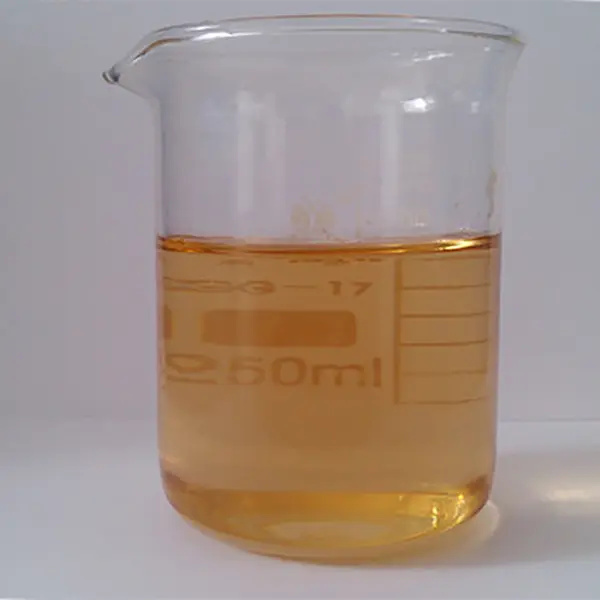
Steps to Resolve Pool Algae Issues
- Select an Appropriate Algicide: Choose a reliable algicide based on algae type. Our company offers several options, such as Super Algicide, Strong Algicide, Quarter Algicide, and Blue Algicide, all formulated to effectively inhibit algae and bacteria for a safer swimming environment.
- Scrub Pool Surfaces: Use a brush to remove algae from pool walls and floors, ensuring thorough coverage.
- Test Water Quality: Measure free chlorine levels and pH to confirm optimal disinfection conditions. Proper pH balance stabilizes the water, enhancing the effectiveness of all pool chemicals.
- Add Algicide: Introduce the chosen algicide into the water to directly combat algae growth.
- Apply Disinfectants: Use disinfectants to complement the algicide, accelerating algae elimination.
- Run the Circulation System: Keep pool pumps and filters running continuously to ensure even distribution of chemicals throughout the pool.
- Backwash the Filter: After completing the steps, backwash the sand filter to clear out debris and maintain efficient filtration.
Following these steps will help keep your pool algae-free and ensure optimal water quality.
5.3 Scaling and Deposits
Cause: High calcium hardness or alkalinity. Solution: Add a calcium hardness reducer, adjust alkalinity, and clean regularly.
6.Weekly Pool Cleaning Checklist
Maintaining a consistent cleaning routine is vital to ensure your pool remains hygienic and visually appealing. Here’s a weekly checklist:
Skim Surface and Remove Debris
- Use the skimmer net to remove leaves, insects, and other floating debris.
Brush Walls and Floor
- Attach the brush to the telescopic pole and scrub the pool’s walls, ladders, and floor, paying close attention to corners and steps where algae are likely to accumulate.
Vacuum the Pool
- Manually vacuum or use an automatic cleaner to remove dirt settled on the pool floor.
Check and Clean the Filter
- Filters trap dirt, oils, and debris. Clean your pool filter by backwashing sand or DE filters, or rinsing cartridges.
Test and Balance Water Chemistry
- Test the water with a testing kit and adjust chemicals as necessary (see Chemical Balance Essentials below).
Weekly Maintenance Tips
- Aim to skim the surface daily and vacuum at least once a week.
- Rinse pool toys and accessories regularly to prevent contamination.
- Ensure all equipment, like skimmer baskets and the pool pump, is in working condition.
7.Additional Tips for Effective Pool Maintenance
Regular Monitoring and Record-Keeping
Tracking your pool maintenance routine and chemical levels can help you detect patterns and address potential issues before they escalate. Keep a record of water test results, chemical adjustments, and equipment maintenance activities. This log will make troubleshooting easier and give you a better sense of how your pool responds to environmental factors like temperature changes, storms, or periods of high use.
Maintaining Pool Equipment
- Inspect Pump and Motor
- Regularly inspect your pump and motor for any signs of wear, leaks, or unusual sounds. Clean the pump strainer basket weekly to prevent clogging and ensure the motor is working efficiently.
- Lubricate O-Rings and Seals
- Pool equipment like filters, pumps, and chlorinators use rubber O-rings to maintain watertight seals. These can dry out or crack over time, so apply a silicone-based lubricant every few months to keep them in good shape.
- Replace or Clean Filter Media Annually
- Sand filters typically need new sand every 3-5 years, while DE filters require fresh DE powder after every backwash. Cartridge filters should be replaced annually or when they no longer provide adequate filtration.
- Clean Pool Heater and Inspect Connections
- If you use a pool heater, clean it yearly to remove debris and sediment that can build up inside. Check gas or electrical connections to ensure everything functions safely and efficiently.
8.Advanced Chemical Management Tips
For more precise chemical control, consider the following practices:
Using Pool Shock Treatments
Pool shock is a high-dose chlorine treatment used to oxidize contaminants and restore clarity. Shock your pool:
- After Heavy Use: Such as after pool parties or periods of frequent swimming.
- After Storms: Rain can introduce contaminants and dilute chemicals.
- Weekly or Bi-Weekly: For proactive algae and bacteria control.
When shocking the pool, add the shock treatment in the evening or at night to avoid chlorine breakdown from sunlight. Allow the water to circulate overnight, and avoid swimming until chlorine levels return to normal (1-3 ppm).
Total Dissolved Solids (TDS) Management
TDS represents all soluble substances in the pool water, including minerals, salts, and other chemicals. High TDS levels can cause cloudy water and scaling. Generally, when TDS levels exceed 1500 ppm, consider draining a portion of the water and refilling it with fresh water.
Algaecides and Clarifiers
Algaecides and clarifiers can be helpful in maintaining water clarity and preventing algae blooms:
- Algaecides: Used as a preventive measure to stop algae growth, especially during warmer months.
- Clarifiers: Help bind tiny particles that can make the water cloudy, making it easier for the filter to remove them.
Add algaecide as a part of your weekly routine during high-use or summer months, and use clarifiers sparingly to avoid overloading the filter.
9.Importance of Pool Covers
Pool covers are one of the most efficient ways to keep debris out of the pool, conserve water, and reduce chemical consumption. Using a pool cover during the off-season or at night can lead to a significant reduction in maintenance time and cost.
Types of Pool Covers
- Solar Covers
- Designed to trap solar heat and retain pool temperature, solar covers are effective during cooler months or in regions where nighttime temperatures drop significantly.
- Safety Covers
- Made from heavy-duty materials, safety covers prevent accidental falls and are ideal for families with children or pets. They provide robust protection but require more effort to secure.
- Automatic Pool Covers
- These retractable covers are easy to use and offer excellent debris protection. Although more expensive, they’re a great option for convenience and security.
- Winter Covers
- Winter covers are specifically designed for long-term protection during the off-season, keeping out larger debris and preventing algae growth.
Using the appropriate cover will reduce chemical evaporation, maintain water temperature, and minimize the frequency of cleaning.
10.Energy Efficiency Tips for Pool Maintenance
Energy-efficient practices not only reduce operational costs but also contribute to sustainable pool care.
- Install a Variable-Speed Pump
- Variable-speed pumps can adjust the flow rate according to pool needs, saving energy and extending the pump’s lifespan. This type of pump can lower energy costs by up to 70% compared to single-speed pumps.
- Utilize Pool Timers
- Use a timer to control pump and heater run times, ensuring the pool system runs efficiently. Adjust the timer seasonally to account for changes in water temperature and usage patterns.
- Optimize Filtration Schedule
- Run the pool filter during off-peak hours (usually nighttime) when energy rates may be lower. Operating for 8-12 hours each day during peak seasons is usually sufficient for water circulation and cleanliness.
- Use LED Pool Lights
- LED lights consume less energy and have a longer lifespan than traditional incandescent pool lights. LED lighting can be a cost-effective, eco-friendly upgrade to your pool area.
Regular swimming pool maintenance doesn’t have to be overwhelming. By implementing a consistent weekly and seasonal routine, monitoring chemical balances, and maintaining your pool equipment, you’ll create a safe, clean, and enjoyable swimming environment year-round. Whether you’re new to pool ownership or simply looking to refine your routine, these steps will help you manage your pool effectively and avoid costly repairs down the line. With diligence and care, your pool will remain a refreshing oasis for family and friends for many years.