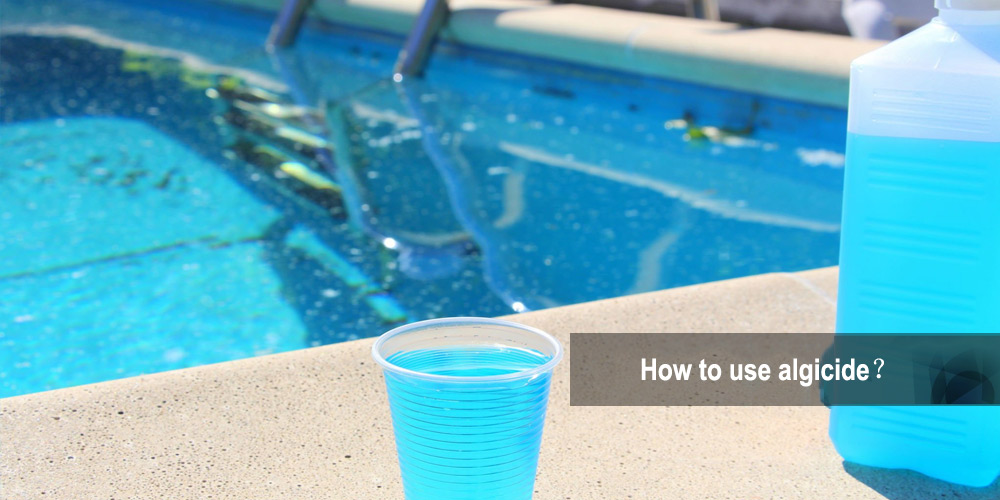
Pool chemicals play a key role in swimming pool water treatment, ensuring that your pool water is clean, safe and comfortable. Here are some common pool chemicals, their functions, applications and importance:
Chlorine:
Function introduction: Chloride is the most commonly used disinfectant, which can kill bacteria, viruses and algae in water.
Application: Add to swimming pool water to maintain proper disinfection levels.
Importance: Chloride can prevent the spread of infectious diseases in water, ensure the hygiene of swimming pool water, and protect swimmers from the harm of microorganisms in the water.
pH adjuster:
Function introduction: pH adjuster is used to control the pH of swimming pool water to ensure that the pH value of the water is within the appropriate range.
Application: Used to prevent pH fluctuations in water and maintain a stable pH value in water.
Why it matters: Proper pH improves chlorine effectiveness while reducing water quality issues and ensuring swimmer comfort.
Anti-algaecides (Algaecides):
Function introduction: Anti-algae agent can prevent and control the growth of algae in water.
Application: Add to swimming pool water to prevent the growth of green, yellow and black algae.
Importance: The growth of algae can cause the water to turn green and degrade water quality. Use anti-algae agents to keep the water clear and transparent.
Flocculants:
Function introduction: Coagulant is used to aggregate and precipitate impurities and particles suspended in water.
Application: Coagulant is added to water and impurities are removed by filtration or sedimentation.
Why it’s important: Coagulants improve water clarity, removing turbidity and floating particles, making water clearer.
Alkaline conditioner:
Function introduction: Alkaline conditioner is used to maintain the alkalinity (alkalinity) of swimming pool water.
Application: Add when needed to prevent water from becoming too low in alkalinity, causing corrosion and discomfort.
Why it matters: Proper alkalinity protects pool equipment from corrosion while providing a more comfortable swimming experience.

All in all, swimming pool chemicals play a vital role in maintaining swimming pool water quality. They ensure water cleanliness and hygiene, prevent the growth of microorganisms in the water, and provide a comfortable swimming environment. Regular monitoring and maintenance of water quality and the proper use of these chemicals will keep your swimming pool safe and usable