Defoamers are essential in industrial applications. Many industrial processes generate foam, whether it is mechanical agitation or chemical reaction. If it is not controlled and treated, it can cause serious problems.
Foam is formed due to the presence of surfactant chemicals in the water system, which stabilize the bubbles, resulting in foam formation. The role of defoamers is to replace these surfactant chemicals, causing the bubbles to burst and reduce foam.
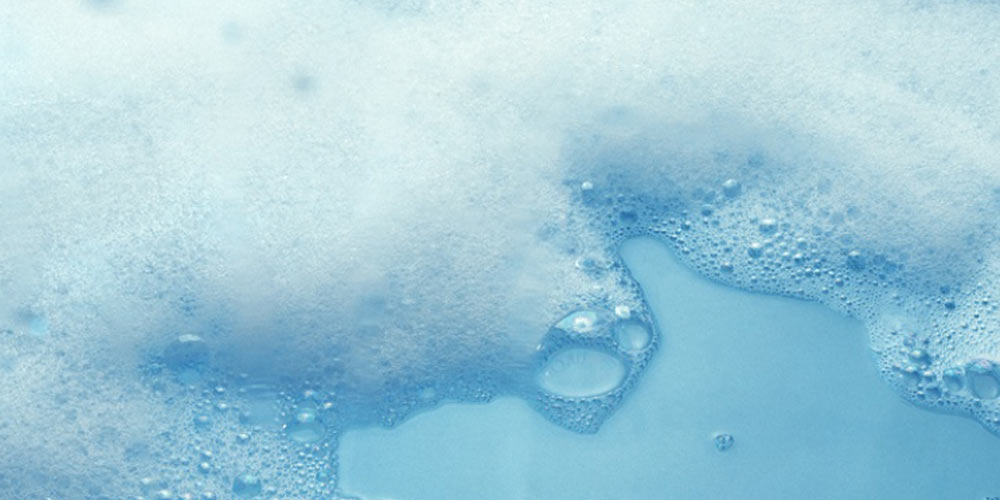
Biofoam and surfactant foam:
Biofoam is produced by microorganisms when they metabolize and decompose organic matter in wastewater. Biofoam consists of very small round bubbles, is very stable, and looks dry.
Surfactant foam is caused by the addition of surfactants such as soaps and detergents, or by the reaction of corrosives with oils or greases and other chemicals.
Defoamers prevent the formation of foam by changing the properties of the liquid. Defoamers replace surfactant molecules in the thin layer of foam, which means that the monolayer is less elastic and more likely to break.
Defoamers are generally divided into silicone-based defoamers and non-silicone-based defoamers. The choice of defoamer depends on the requirements and conditions of the specific application. Silicone-based defoamers are effective under a wide range of pH and temperature conditions and are generally favored for their stability and efficiency. Non-silicone-based defoamers are defoamers based mainly on organic compounds such as fatty amides, metal soaps, fatty alcohols, and fatty acid esters. The advantages of non-silicone systems are large diffusion coefficients and strong foam breaking ability; the main disadvantage is that the foam suppression ability is slightly poor due to higher surface tension than silicone.
When choosing the right defoamer, factors such as system type, operating conditions (temperature, pH, pressure), chemical compatibility, and regulatory requirements need to be considered. By choosing the right defoamer, the industry can effectively manage foam-related problems and improve overall process efficiency.
During water treatment, there are usually conditions that are conducive to foaming, such as agitation of water, release of dissolved gases, and the presence of detergents and other chemicals.
In wastewater treatment systems, foam can clog equipment, reduce the efficiency of the treatment process, and affect the quality of treated water. Adding defoamers to water can reduce or prevent the formation of foam, which helps keep the treatment process running efficiently and improves the quality of the treated water.
Defoamers or antifoam agents are chemical products that control and, if necessary, remove foam from treated water to avoid the negative effects of foaming at undesirable stages or in excess.
Our defoamers can be used in the following areas:
● Pulp and paper industry
● Water treatment
● Detergent industry
● Paint and Coating industry
● Oilfield industry
● And other industries
Industries
Processes
Main products
Water treatment
Sea water desalination
LS-312
Boiler water cooling
LS-64A, LS-50
Pulp & paper making
Black liquor
Waste paper pulp
LS-64
Wood/ Straw/ Reed pulp
L61C, L-21A, L-36A, L21B, L31B
Paper machine
All types of paper (including paperboard)
LS-61A-3, LK-61N, LS-61A
All types of paper (not including paperboard)
LS-64N, LS-64D, LA64R
Food
Beer bottle cleaning
L-31A, L-31B, LS-910A
Sugar beet
LS-50
Bread yeast
LS-50
Sugar cane
L-216
Agro chemicals
Canning
LSX-C64, LS-910A
Fertilizer
LS41A, LS41W
Detergent
Fabric softener
LA9186, LX-962, LX-965
Laundry powder (slurry)
LA671
Laundry powder (finished products)
LS30XFG7
Dishwasher tablets
LG31XL
Laundry liquid
LA9186, LX-962, LX-965
Industries
Processes
Water treatment
Sea water desalination
Boiler water cooling
Pulp & paper making
Black liquor
Waste paper pulp
Wood/ Straw/ Reed pulp
Paper machine
All types of paper (including paperboard)
All types of paper (not including paperboard)
Food
Beer bottle cleaning
Sugar beet
Bread yeast
Sugar cane
Agro chemicals
Canning
Fertilizer
Detergent
Fabric softener
Laundry powder (slurry)
Laundry powder (finished products)
Dishwasher tablets
Laundry liquid