
Why is pool chlorination necessary?
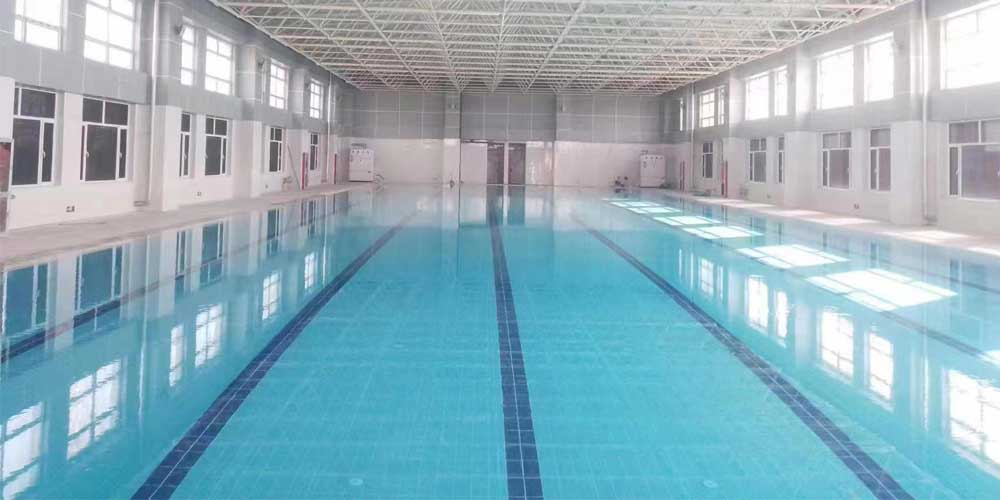
Swimming pools are common facilities in many homes, hotels, and recreational venues. They provide a space for people to relax and exercise. When your pool is put into use, many organic substances and other pollutants will enter the water with air, rainwater, and swimmers. At this time, it is important to keep the pool clean […]
PAM Flocculant: a powerful chemical product for industrial water treatment
Polyacrylamide (PAM) is a hydrophilic synthetic polymer widely used in water treatment processes. It is primarily used as a flocculant and coagulant, a chemical agent that causes suspended particles in water to aggregate into larger flocs, thereby aiding their removal through clarification or filtration. Depending on the quality of the wastewater, use cationic, anionic, or […]
How does the pH level affect chlorine levels in pools?
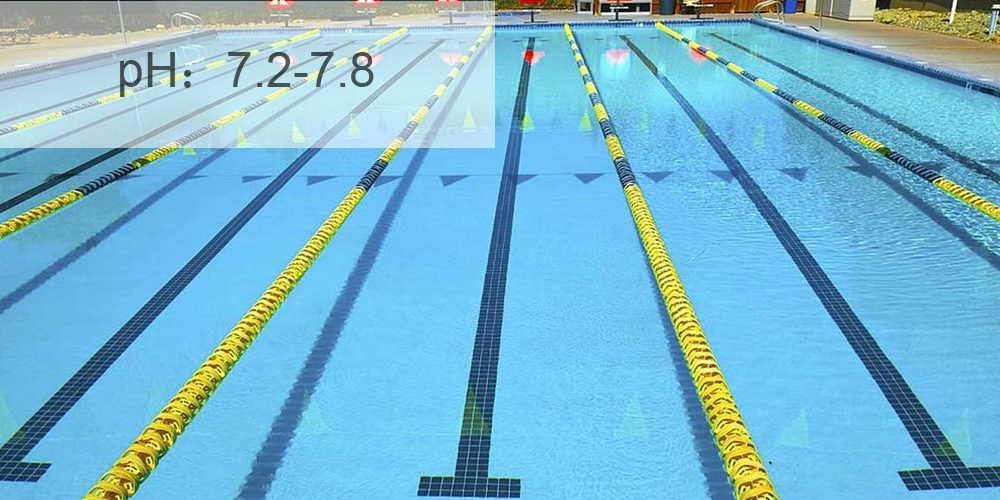
Maintaining a balanced pH level in your pool is extremely important. The pH level of your pool affects everything from the swimmer experience to the lifespan of your pool’s surfaces and equipment, to the condition of the water. Whether it’s a saltwater or chlorinated pool, the main disinfecting form is hypochlorous acid. The effectiveness of […]
How do swimming pool chemicals work?
If you have your own swimming pool at home or you are about to become a pool maintainer. Then congratulations, you will have a lot of fun in pool maintenance. Before the swimming pool is put into use, one word you need to understand is “Pool Chemicals“. The use of swimming pool chemicals is one […]
Defoamers in Industrial Applications
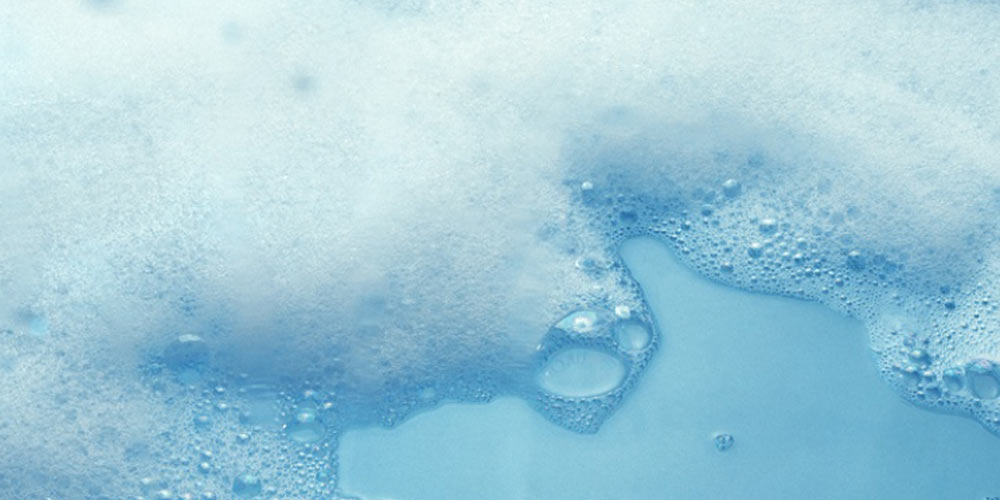
Defoamers are essential in industrial applications. Many industrial processes generate foam, whether it is mechanical agitation or chemical reaction. If it is not controlled and treated, it can cause serious problems. Foam is formed due to the presence of surfactant chemicals in the water system, which stabilize the bubbles, resulting in foam formation. The role […]
Foam problems in water treatment!
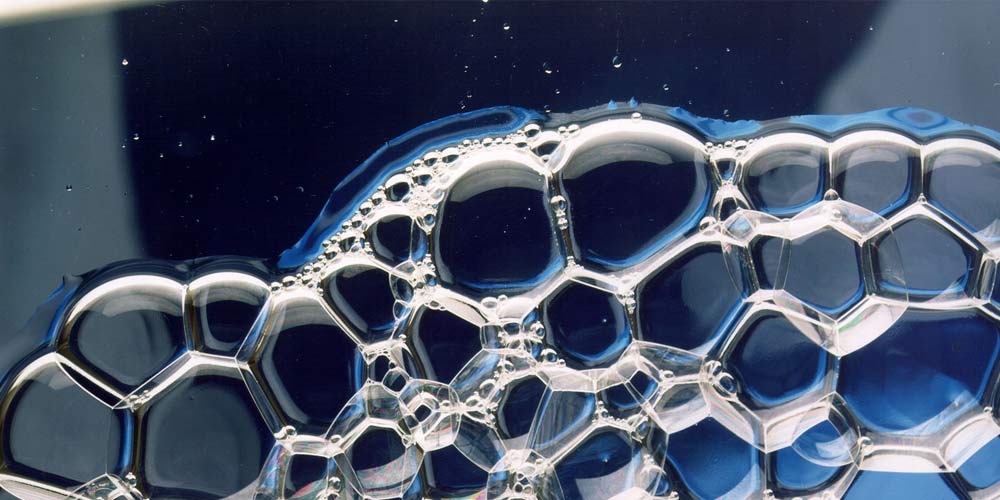
Water treatment is a crucial aspect in modern industrial production. However, the foam problem often becomes a key factor in restricting the efficiency and quality of water treatment. When the environmental protection department detects excessive foam and does not meet the discharge standard, direct discharge not only slows down the process, but also may cause […]
PAM Dissolution Methods and Techniques: A Professional Guide
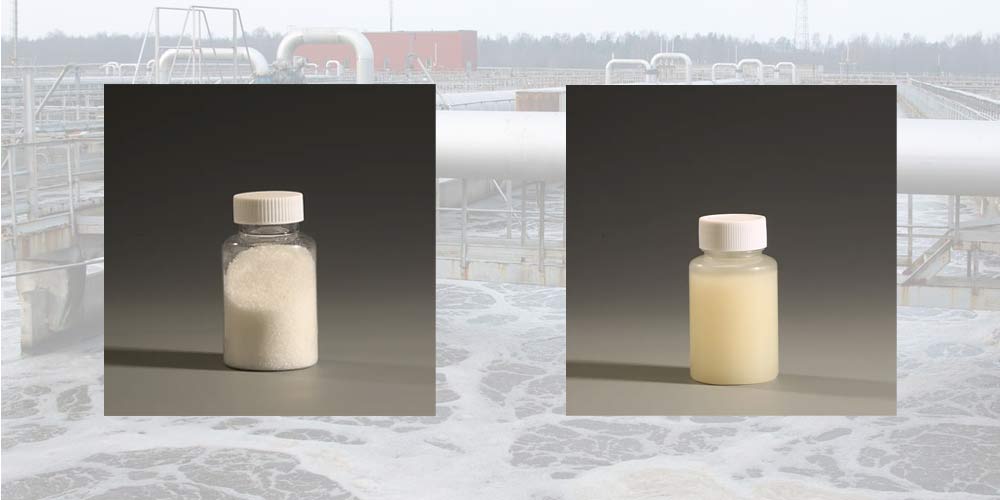
Polyacrylamide (PAM), as an important water treatment agent, is widely used in various industrial fields. However, dissolving PAM can be a challenge for many users. PAM products used in industrial wastewater mainly come in two forms: dry powder and emulsion. This article will introduce the dissolution method of the two kinds of PAM in detail […]
Common misunderstandings when choosing PAM

Polyacrylamide (PAM), as a commonly used polymer flocculant, is widely used in various sewage treatment scenarios. However, many users have fallen into some misunderstandings during the selection and use process. This article aims to reveal these misunderstandings and give correct understanding and suggestions. Misunderstanding 1: The larger the molecular weight, the higher the flocculation efficiency. […]
How do you dilute Antifoam?
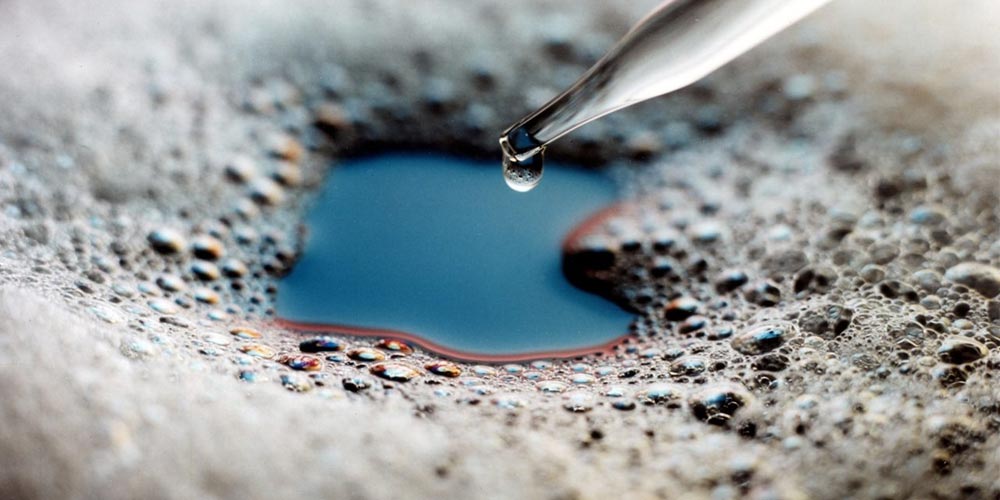
Antifoam agents, also known as defoamers, are essential in many industrial processes to prevent the formation of foam. To effectively use antifoam, it’s often necessary to dilute it properly. This guide will walk you through the steps to dilute antifoam correctly, ensuring optimal performance in your application. Antifoams are typically made from silicone compounds, oils, […]
Difference and application of cationic, anionic and nonionic PAM?
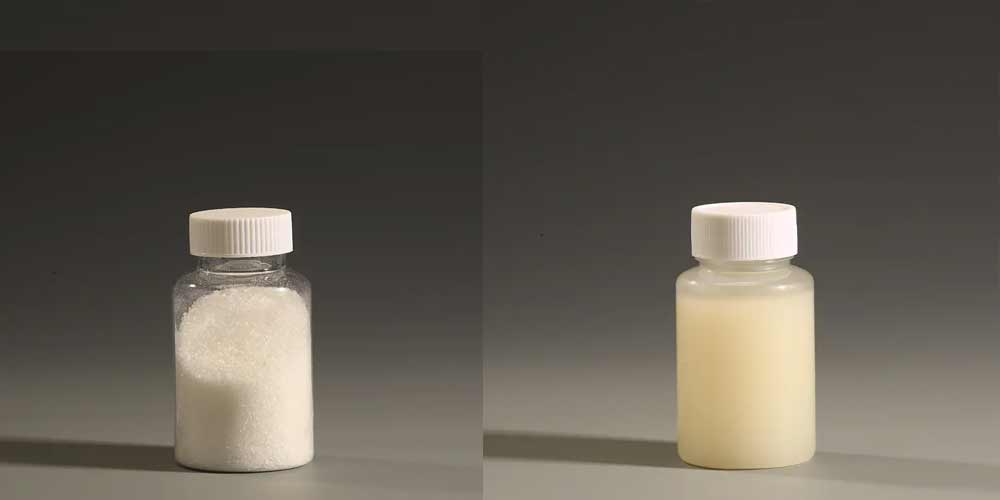
Polyacrylamide (PAM) is a versatile polymer widely used in water treatment, papermaking, oil extraction and other fields. According to its ionic properties, PAM is divided into three main types: cationic (Cationic PAM, CPAM), anionic (Anionic PAM, APAM) and nonionic (Nonionic PAM, NPAM). These three types have significant differences in structure, function and application. Structure and […]
Application of Sodium Carbonate in Swimming Pools
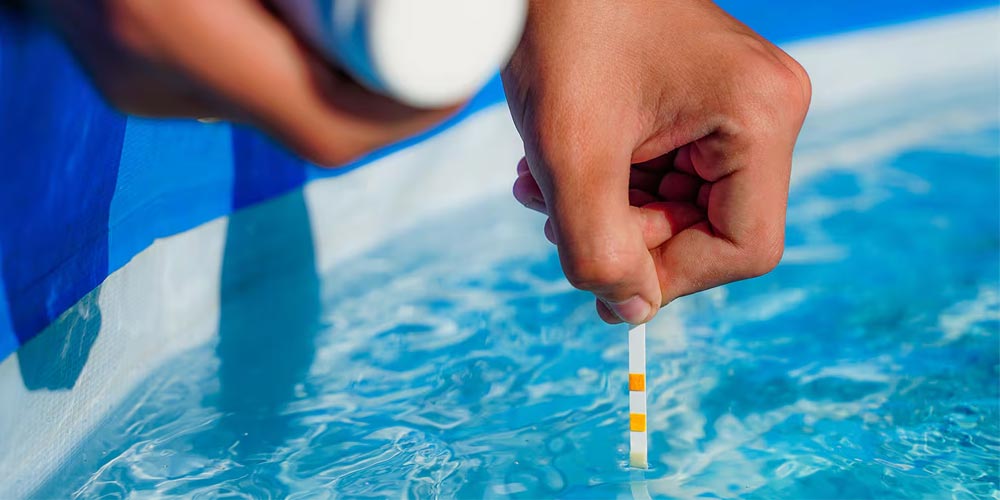
In swimming pools, in order to ensure human health, in addition to preventing the production of harmful substances such as bacteria and viruses, attention to the pH value of pool water is also indispensable. Too high or too low pH will affect the health of swimmers. The pH value of pool water should be between […]
What chemical balance factors do you need to pay attention to when your pool becomes cloudy?
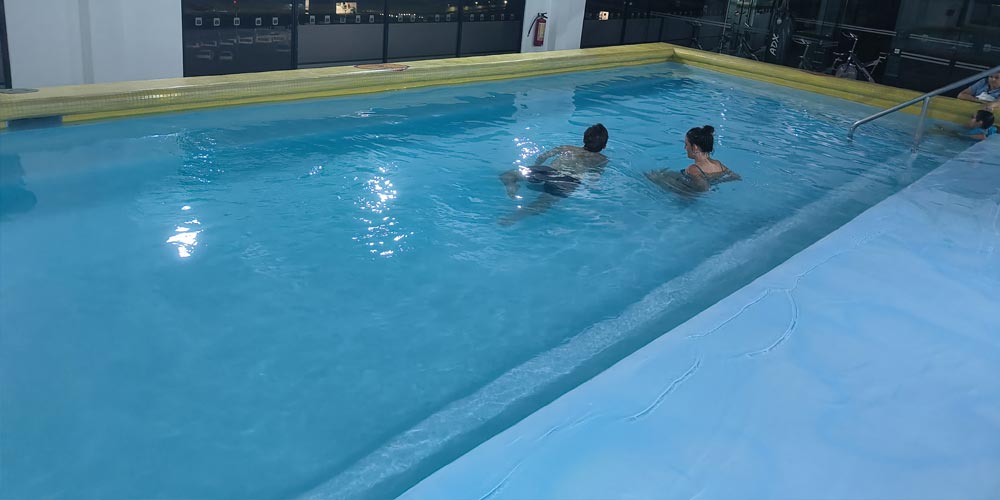
Since pool water is always in a state of flux, it is important to test the chemical balance regularly and add the correct pool water chemicals when needed. If the pool water is cloudy, it indicates that the chemicals are unbalanced, causing the water to become unsanitary. It needs to be observed and tested on […]