
What happens when aluminium sulphate reacts with water?
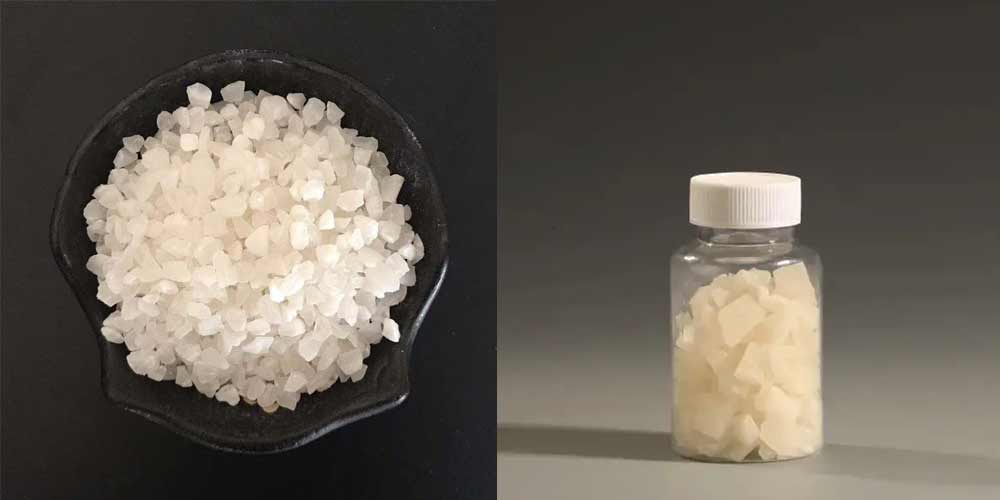
Aluminum sulfate, chemically represented as Al2(SO4)3, is a white crystalline solid that is commonly used in water treatment processes. When aluminum sulfate reacts with water, it undergoes hydrolysis, a chemical reaction in which water molecules break apart the compound into its constituent ions. This reaction plays a crucial role in various applications, particularly in water […]
Is sodium dichloroisocyanurate safe for humans?

Sodium dichloroisocyanurate (SDIC) is a chemical compound commonly used as a Disinfectant and Sanitizer. SDIC has good stability and a long shelf life. After being put into water, chlorine is gradually released, providing continuous disinfection effect. It has various applications, including water treatment, swimming pool maintenance, and surface disinfection. While SDIC can be effective in […]
NADCC Guidelines for Use in Routine Disinfection
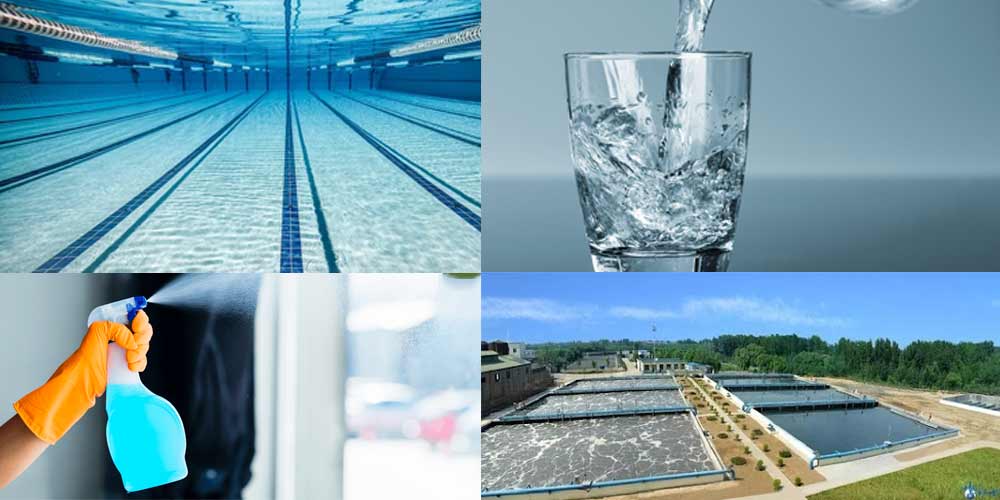
NADCC refers to sodium dichloroisocyanurate, a chemical compound commonly used as a disinfectant. Guidelines for its use in routine disinfection may vary based on specific applications and industries. However, general guidelines for using NADCC in routine disinfection include: Dilution Guidelines: Follow the NADCC manufacturer‘s instructions for dilution ratios. NADCC is often available in granule form […]
Can I use Aluminum Sulfate in a swimming pool?
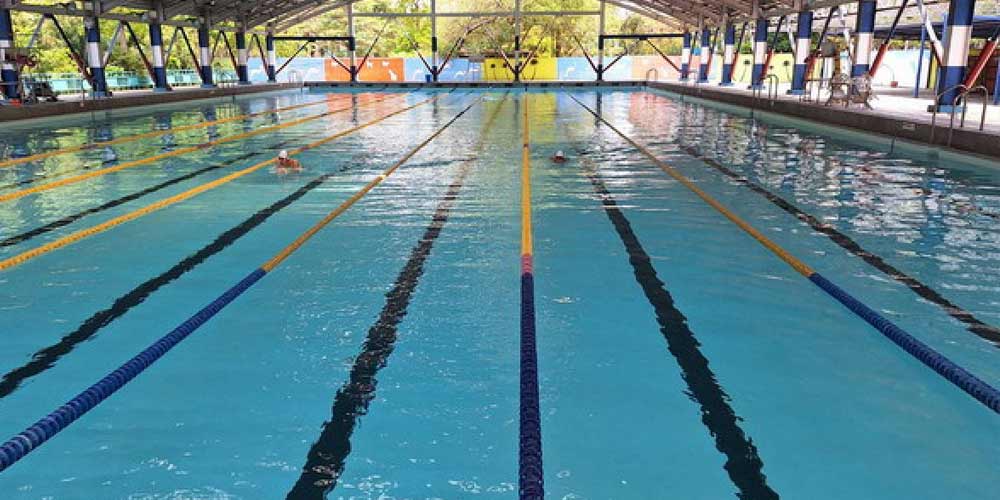
Maintaining the water quality of a swimming pool is crucial for ensuring a safe and enjoyable swimming experience. One common chemical employed for water treatment is Aluminum Sulfate, a compound known for its effectiveness in clarifying and balancing pool water. Aluminum sulfate, also known as alum, can act as a flocculants in swimming pool water […]
What is the most common Disinfectant in use for swimming pools?
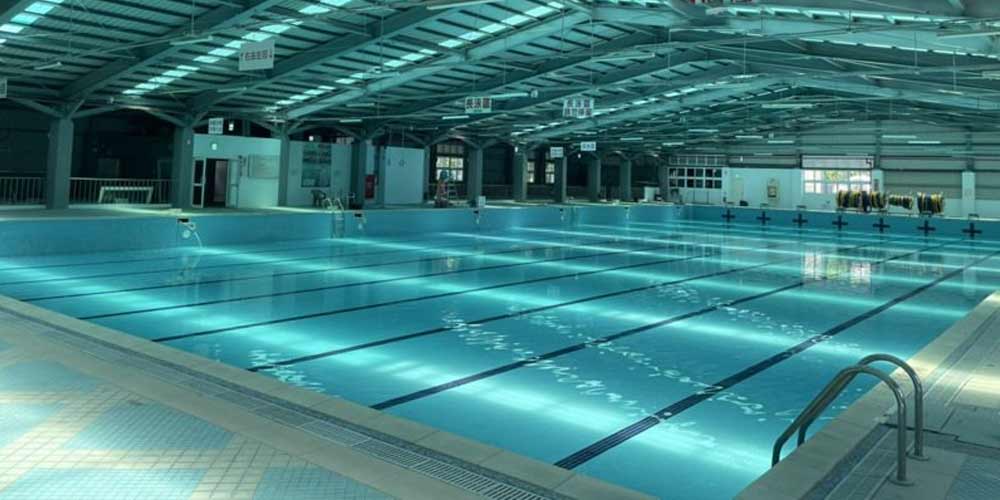
The most common Disinfectant used in swimming pools is chlorine. Chlorine is a chemical compound widely employed to disinfect water and maintain a safe and hygienic swimming environment. Its efficacy in killing bacteria, viruses, and other microorganisms makes it the preferred choice for pool sanitation worldwide. Chlorine works by releasing free chlorine into the water, which […]
Why is my pool water still green after shocking?
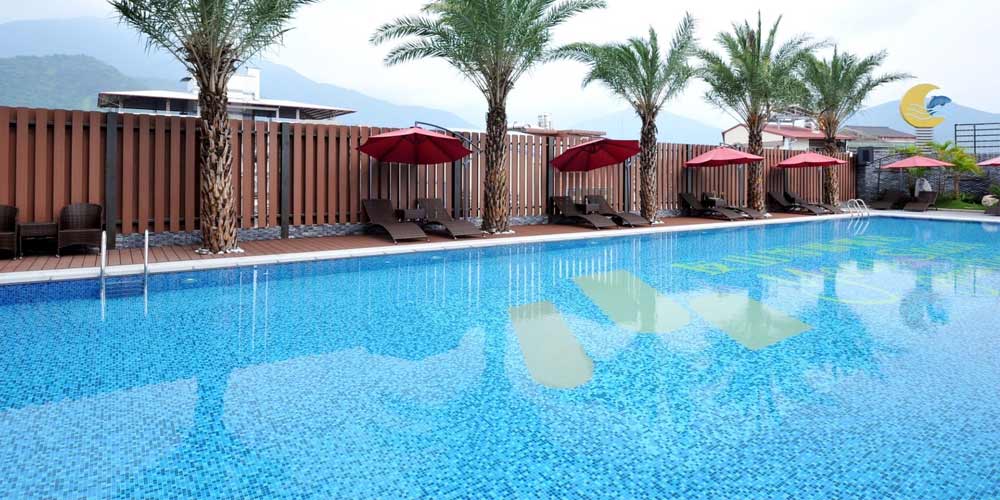
If your pool water is still green after shocking, there could be several reasons for this issue. Shocking the pool is a process of adding a large dose of chlorine to kill algae, bacteria, and remove other contaminants. Here are some potential reasons why your pool water is still green: Insufficient shock treatment: You may […]
When is Polyacrylamide needed to be used in water treatment?
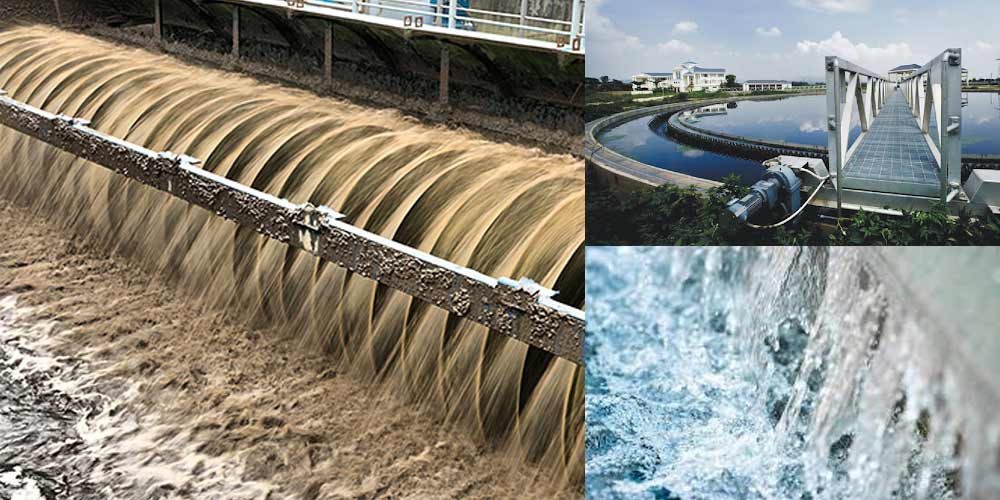
Polyacrylamide ( PAM ) is a widely used polymer in water treatment processes. Its application is primarily related to its ability to flocculate or coagulate suspended particles in water, leading to improved water clarity and reduced turbidity. Here are some common situations where polyacrylamide may be used in water treatment: Flocculation and Coagulation: Polyacrylamide is […]
How To Safely Storing Pool Chemicals
In maintaining a pristine and inviting swimming pool, the use of Pool Chemicals is indispensable. However, ensuring the safety of these chemicals is paramount. Proper storage not only prolongs their effectiveness but also mitigates potential hazards. Here are essential tips for safely storing pool chemicals. Choose an Appropriate Storage Area: Select a well-ventilated, dry, and […]
What form of chlorine is used in pools?
In swimming pools, the primary form of chlorine used for Disinfection is typically either liquid chlorine, chlorine gas, or solid chlorine compounds like calcium hypochlorite or sodium dichloroisocyanurate. Each form has its own advantages and considerations, and their usage depends on factors such as cost, ease of handling, and safety. Solid Chlorine Compounds: Solid chlorine […]
How does Poly Aluminum Chloride remove contaminants from water?
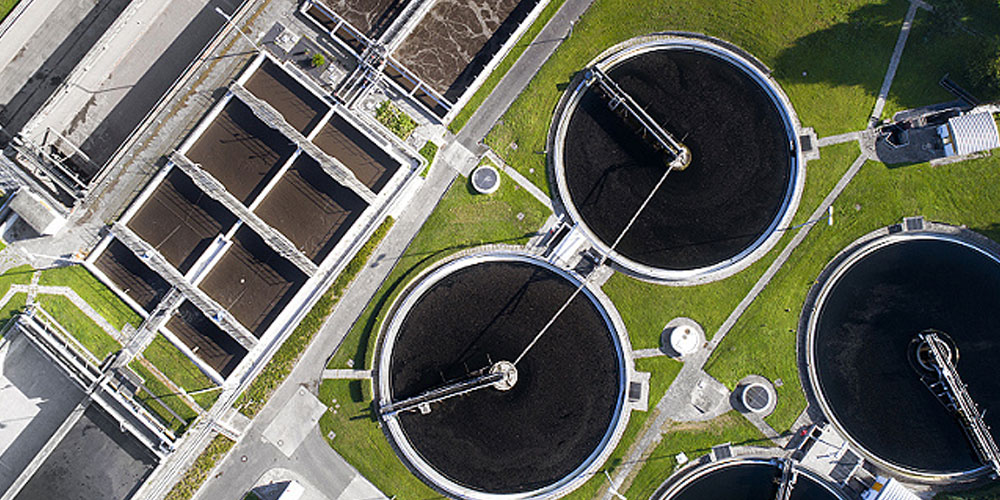
Poly Aluminum Chloride (PAC) is a chemical compound that is widely used in the treatment of water and wastewater due to its effectiveness in removing contaminants. Its mechanism of action involves several key steps that contribute to the purification of water. Firstly, PAC acts as a coagulant in water treatment processes. Coagulation is the process […]
What is silicone antifoam defoamers?
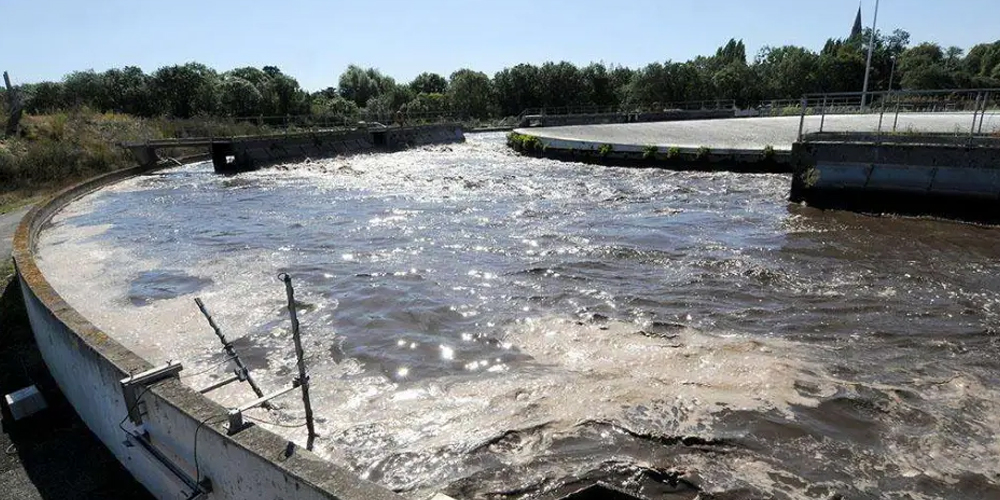
Defoaming agents, as the name suggests, can eliminate foam produced during production or due to product requirements. As for defoaming agents, the types used will vary depending on the properties of the foam. Today we will briefly talk about silicone defoamer. Silicone-antifoam defoamer is high in durability even under vigorous agitation or under alkaline conditions. […]
Can you put chlorine directly in a pool?

Keeping your pool healthy and clean is every pool owner’s top priority. Chlorine is indispensable in swimming pool disinfection and plays a vital role. However, there is diversity in the choice of chlorine disinfection products. And different types of chlorine disinfectants are added in different ways. Below, we will give a detailed introduction to several […]